
Alerts
Feb 17 -
8 minutes, 0 seconds
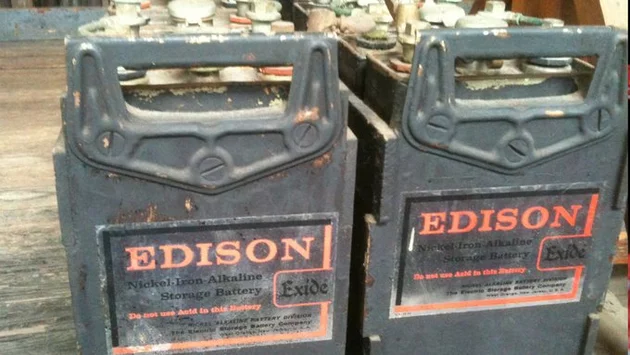
Nickel-iron battery innovation is gaining attention after researchers unveiled a new design capable of near-instant recharging and extreme longevity. Many readers are asking: Can this replace lithium-ion batteries? Is it practical for solar storage or electric vehicles? Early findings suggest the technology excels in durability and charging speed but trades off some capacity. Even so, this revived chemistry could reshape how renewable energy is stored and used globally.
The new battery draws inspiration from early designs pioneered by Thomas Edison, who developed nickel-iron batteries more than a century ago. While the original versions were known for toughness, they lagged behind modern lithium-ion cells in efficiency and energy density. Today’s research teams are revisiting that chemistry with advanced materials and modern engineering techniques.
Unlike many experimental battery concepts, nickel-iron is already well understood. That familiarity makes it easier to scale and manufacture compared to emerging technologies still stuck in the lab phase. By combining historic reliability with modern upgrades, scientists believe they may have unlocked a practical solution hiding in plain sight.
One of the biggest advantages of this new nickel-iron battery is charging speed. Researchers report that it can recharge in seconds rather than hours, a dramatic improvement over conventional lithium-ion batteries. This ultra-fast recharge capability could transform industries that rely on rapid energy cycling, such as robotics, heavy machinery, and grid storage.
Fast charging also reduces downtime, a major cost factor in large-scale energy systems. Solar farms and wind installations, for instance, could store excess electricity during peak production and quickly release it when demand spikes. That flexibility may help stabilize renewable-heavy grids where intermittent generation is a persistent challenge.
Battery degradation remains a major bottleneck for clean energy expansion. Over time, most lithium-ion batteries lose capacity, requiring costly replacements. The new nickel-iron design tackles that issue head-on with remarkable durability.
Researchers estimate the battery can handle up to 12,000 charge cycles without noticeable performance loss. That’s significantly higher than typical lithium-ion systems, which degrade faster under heavy use. For utilities and industrial users, longer lifespan translates directly into lower lifetime costs and reduced environmental impact.
Durability also opens doors for harsh environments. Nickel-iron chemistry is known for handling extreme temperatures and physical stress better than many modern alternatives. That resilience makes it appealing for remote installations where maintenance is difficult or expensive.
Despite the impressive advantages, the new battery isn’t perfect. The most notable drawback is lower energy density compared to lithium-ion technology. In simple terms, it stores less energy for the same size and weight.
This limitation could prevent nickel-iron batteries from dominating sectors like smartphones or long-range electric vehicles, where compact energy storage is critical. However, not every application requires maximum density. For stationary storage—such as grid systems or solar farms—size is often less important than durability and reliability.
Experts suggest that instead of replacing lithium-ion entirely, nickel-iron could complement it. Each battery type may serve different roles depending on performance needs and cost considerations.
Renewable energy expansion depends heavily on better storage solutions. Solar panels and wind turbines generate power intermittently, creating supply-demand mismatches. This is where nickel-iron batteries could shine.
The technology’s fast charging and long lifespan make it ideal for storing excess daytime solar energy and releasing it at night. Unlike traditional batteries that degrade with repeated cycling, nickel-iron systems could operate reliably for years without significant loss of performance.
That reliability is especially valuable for emerging markets and remote communities. Long-lasting storage reduces infrastructure costs and ensures consistent electricity access even in regions with limited maintenance resources.
The battery innovation race is more intense than ever. Solid-state batteries, sodium-ion cells, and other alternatives are all vying to replace lithium-ion dominance. Each promises unique benefits, from higher safety to cheaper materials.
Nickel-iron stands out because it doesn’t rely on rare minerals or complex supply chains. Its raw materials are relatively abundant and environmentally stable, which could simplify large-scale production. That sustainability angle may appeal to governments and industries seeking greener solutions beyond performance metrics.
Still, widespread adoption will depend on real-world testing. Lab results are promising, but scaling new battery technologies often reveals hidden challenges related to manufacturing and cost.
If commercialized successfully, the nickel-iron battery could reshape how energy is stored and distributed. Instead of focusing solely on higher capacity, the industry may shift toward durability and reliability. That mindset change could accelerate renewable adoption by lowering long-term costs.
Faster charging and extended lifespan also align with growing demands from industrial automation and smart grids. As energy systems become more dynamic, batteries that handle rapid cycling without degrading will be increasingly valuable.
While lithium-ion isn’t going away anytime soon, the emergence of improved nickel-iron technology signals a more diversified battery future. Rather than one dominant solution, multiple chemistries may coexist, each optimized for different roles.
Battery innovation often feels futuristic, but sometimes the biggest breakthroughs come from revisiting old ideas with new tools. The revival of nickel-iron chemistry highlights how legacy technologies can gain fresh relevance in a modern energy landscape.
With near-instant charging, ultra-long lifespan, and strong resilience, the upgraded nickel-iron battery offers a compelling alternative for large-scale storage. Challenges remain, particularly around energy density, but the potential impact is undeniable.
As researchers continue refining the technology, this Edison-inspired design may soon power a new generation of resilient, renewable-ready energy systems—proving that sometimes the future is built on the past.









Comment