Alerts

-
6 minutes, 46 seconds
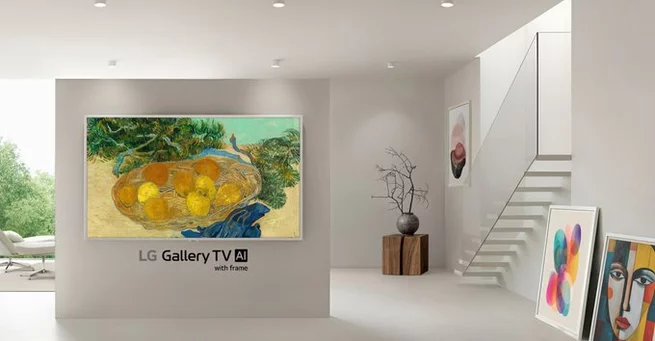
LG Gallery TV has officially been announced at CES, answering a growing question among TV shoppers: will LG challenge Samsung’s popular Frame TV? The short answer is yes, and the company is doing it with a design-first approach that blends entertainment and home décor. The LG Gallery TV is designed to function as both a television and a digital art display when not in use. It targets users who want a screen that disappears into their living space rather than dominating it. This announcement places LG firmly in the expanding “art TV” category. Until now, that space has largely been shaped by Samsung, with newer entries from TCL and Hisense. LG’s move signals that art-focused televisions are no longer a niche experiment but a mainstream trend. CES 2025 is shaping up to be the moment this category truly matures.
A major part of the LG Gallery TV experience comes from Gallery+, LG’s curated visual content platform. Gallery+ offers thousands of visuals, including classic artwork, modern illustrations, cinematic scenes, and even gaming-inspired imagery. The service allows the TV to act as wall art when idle, creating a more ambient home environment. Like Samsung’s Art Store, Gallery+ includes a limited free tier for basic visuals. Access to the full catalog, however, requires a paid subscription. LG clearly sees recurring content services as a long-term play rather than a one-time hardware sale. The visuals are designed to adapt to lighting conditions, making the display feel more natural on the wall. This software-driven approach reinforces LG’s push toward lifestyle-focused TVs rather than pure spec battles.
Despite LG’s strong association with OLED technology, the LG Gallery TV uses a mini-LED display instead. This decision is intentional and rooted in how art TVs are actually used. OLED panels can suffer from image retention if static images are displayed for long periods, which is common for art displays. Mini-LED avoids that risk while still delivering strong brightness and contrast. LG describes the screen as having a specialized coating that reduces glare and reflections, suggesting a matte or semi-matte finish. This helps artwork look more like framed prints than glossy screens. LG has not detailed the backlight configuration yet, but similar art TVs rely on edge lighting. The focus here is clearly longevity and aesthetics over raw picture performance.
Design plays a central role in the LG Gallery TV’s appeal, and LG has clearly studied its competitors. The TV includes a physical frame, similar to offerings from Samsung and Hisense. Out of the box, buyers receive a clean white frame that blends easily into modern interiors. For those who prefer a warmer look, LG will offer an optional wood-toned frame as an accessory. This modular approach allows the TV to match different décor styles without replacing the entire unit. The thin profile helps the screen sit flush against the wall, reinforcing the illusion of wall art. LG’s design language here prioritizes subtlety over spectacle. The result is a TV meant to complement a room, not compete with it.
LG has confirmed that the Gallery TV will launch in 55-inch and 65-inch sizes, covering the most popular living room formats. These sizes align closely with Samsung’s Frame lineup, signaling direct competition. Pricing details have not yet been announced, leaving one of the biggest questions unanswered. Cost will likely determine how aggressively LG can pull buyers away from established rivals. LG has also remained quiet on release dates beyond a general post-CES launch window. Additional technical specifications, including refresh rates and HDR support, are expected closer to launch. For now, LG appears focused on positioning rather than pricing. That strategy keeps attention on the lifestyle aspect rather than immediate comparisons.
The arrival of the LG Gallery TV reflects a broader shift in how consumers view televisions. TVs are no longer just devices for watching shows; they are becoming permanent fixtures in home design. LG entering this space validates the art TV category as more than a passing trend. It also increases competition, which could drive innovation and pricing pressure across brands. Buyers now have more choice beyond Samsung’s ecosystem. LG’s strength in display technology and content services gives it a credible foundation. The Gallery TV may not replace OLED for cinephiles, but it serves a different audience entirely. As living spaces become more design-conscious, art TVs like this may soon feel essential rather than optional.










Comment