
Alerts
-
3 minutes, 26 seconds
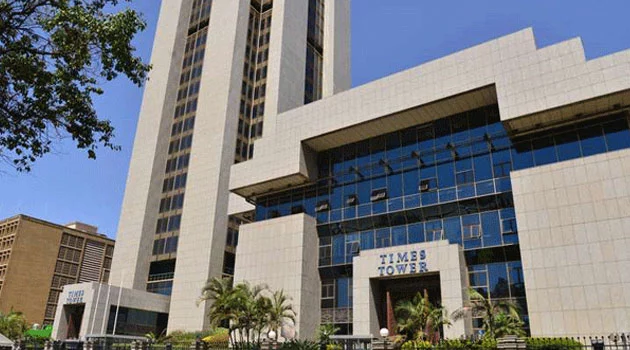
The Kenya Revenue Authority (KRA) is making a major shift in how it collects taxes. Instead of waiting for annual returns, KRA is moving tax collection closer to the point of sale by linking eTIMS with M-Pesa and rebuilding iTax around live transaction data, automated VAT processing and pre-filled returns for businesses. This means taxes will be calculated and collected in real time, as transactions happen.
KRA’s new system, called eTIMS (Electronic Tax Invoice Management System), now connects directly to M-Pesa, Kenya’s most popular mobile money platform. When a customer pays via M-Pesa, the transaction data flows automatically into KRA’s system. This eliminates the need for manual invoicing and reduces tax evasion.
The iTax platform is also being rebuilt to use live transaction data. Instead of businesses filling out complex forms, KRA will pre-fill returns based on the data already collected from eTIMS and M-Pesa. This makes tax filing faster, easier, and more accurate.
If you own a business in Kenya, here’s how to prepare for these changes:
By moving tax collection closer to the point of sale, KRA aims to increase tax revenue without raising rates. This helps fund public services like roads, schools, and hospitals. For businesses, it means less time spent on tax compliance and more time focusing on growth.
In short, KRA’s integration of eTIMS with M-Pesa and the iTax rebuild is a game-changer. It makes tax collection seamless, transparent, and efficient—benefiting both the government and taxpayers.









Comment