Alerts

-
7 minutes, 16 seconds
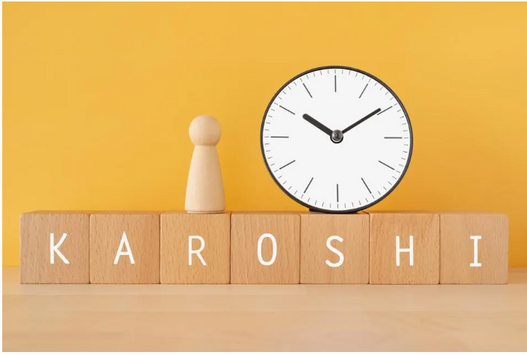
What is karoshi, and why should you care? In 2025, workplace stress is at an all-time high, and burnout has become a badge of honor for far too many professionals. But few people realize there's a darker consequence beyond burnout: karoshi—the Japanese term for “death from overwork.” It’s not just a cultural concept from Japan. Karoshi is real, it’s happening in the U.S., and it could be silently threatening your career, your health, and even your life.
Karoshi refers to sudden death caused by extreme work stress, typically due to long hours and chronic overwork. The term emerged in Japan in the 1980s when employees began dying from heart attacks and strokes at their desks. It may sound foreign, but it’s increasingly relevant to the American workforce, where cases of stress-induced illnesses and burnout-related breakdowns are surging.
In the U.S., we may not use the word karoshi, but the symptoms are all around us—heart disease, stroke, chronic fatigue, and even suicide—frequently stemming from the relentless grind of workaholism. The American language lacks a direct equivalent, which is part of why this killer remains unspoken.
A 2024–2025 Aflac WorkForces Report reveals that nearly 60% of American employees experience moderate to high burnout. Meanwhile, 45% identify as workaholics, often ignoring the warning signs of chronic stress. With 62% of workers reporting more stress in 2025 than the previous year, karoshi is not a far-off phenomenon—it’s a looming risk for millions.
And it's not just frontline employees. 71% of CEOs report regular or occasional burnout, and one in three say they feel burned out nearly every day. Executive-level burnout is now so extreme that over 2,200 U.S. CEOs stepped down in 2024 alone, according to data from Founder Shield.
Forget relaxing after work. A study by Headway reveals that 60% of employees spend their free time just trying to recover from their jobs. Hobbies, travel, exercise, and even socializing have been sidelined. Many workers report feeling like they’ve “lost their personality outside of work.”
One in four employees feel guilty for doing something as simple as reading or painting. If your time off feels like a recovery ward instead of real rest, you might already be heading down the path to burnout—or worse, karoshi.
Burnout isn’t just bad for people—it’s bad for business. When employees are physically and mentally drained, productivity plummets, turnover soars, and creativity dies. High-performing talent is walking away, not for better pay—but for better lives.
As Cindy Cavato from Headway puts it:
“Employees who spend evenings and weekends just recovering from work aren’t making a living—they’re surviving it.”
Companies that continue to glorify burnout risk losing not just people, but also profit. And yet, many leaders still equate longer hours with higher output—a dangerous myth with fatal consequences.
Protecting yourself from karoshi starts with understanding that self-care is not a luxury—it’s a necessity. Here are actionable steps you can take:
Prioritize rest and recovery: Take breaks. Use your PTO. Unplug completely when off the clock.
Set healthy boundaries: Stop glorifying hustle culture. Your health isn’t worth sacrificing for a deadline.
Speak up: If work demands are becoming unmanageable, communicate with your employer or HR.
Redefine success: It’s not about how many hours you work; it’s about how well you can sustain success over time.
And for employers, the message is clear:
Respecting personal time, offering flexible schedules, and promoting self-care isn’t optional—it’s critical.
Gen Z is leading a quiet revolution. They're opting out of outdated career models, embracing micro-retirements, and redefining what work-life balance truly means. It’s not laziness—it’s a shift toward sustainable productivity.
As Dr. Marais Bester from SHL explains,
“This trend opens the door to a more flexible, human-centered talent strategy. It’s not about working less—it’s about living more.”
The first step to solving a problem is naming it. Karoshi isn’t just a Japanese issue—it’s a global one, and it’s here now. The U.S. workforce needs to stop seeing burnout as a rite of passage and start recognizing it as the emergency it is.
Until we name the killer, we can’t fight it.
And until we fight it, it will keep quietly stealing lives, careers, and potential.
Ready to take control of your work-life balance?
Start by prioritizing your well-being, talking openly about burnout, and encouraging others to do the same. Share this article with someone who needs to hear the truth about karoshi—and let’s start creating workplaces where people live their lives, not just survive their jobs.










Comment