Alerts

-
4 minutes, 13 seconds

Desjardins Group ranked No. 7 on Forbes’ World’s Top Companies For Women 2026 list. Headquartered in Lévis, Quebec, the cooperative financial group is one of North America’s oldest and largest, and one of Canada’s largest employers, with 57,000 employees in the country. As of August 2026, women made up more than 60% of its workforce and held nearly 57% of management positions—almost double the global average of three in 10, according to International Labour Organization research.
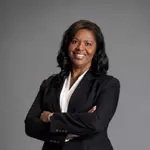
For Estelle Theng, Desjardins’ chief equity, diversity and inclusion officer, women’s representation in leadership shows that employees can advance through different paths. Her own career reflects that experience: women managers gave her her first leadership role, first senior management position and, later, her current role.
“What I appreciated most was that these opportunities never felt symbolic. I never felt I was chosen because I was a woman or a visible minority. I felt chosen because my skills, contributions and leadership potential were recognized,” Theng says.
Theng also points to practical workplace support, including flexible work arrangements, comprehensive insurance and investment in employee development. Desjardins offers internal learning, coaching and mentoring, as well as targeted leadership programs that recognize women are not a homogeneous group and that some may face hidden barriers to advancement.
The organization aims to give all employees equal access to development opportunities and to influential networks and sponsors who can help open doors. More information about Desjardins and its place on the World’s Top Companies For Women 2026 list is available through Forbes.
Forbes’ sixth annual ranking was led by Microsoft, which retained its No. 1 position, followed by Apple at No. 2. Canadian financial services company Manulife ranked No. 3, cosmetics company L’Oréal was No. 4, and French insurer MAIF was No. 5. South African financial services company Absa Group came in at No. 6.
Across the top employers, women consistently cited flexible and hybrid work, benefits suited to different life stages, varied career paths and supportive relationships with co-workers. At Manulife, global chief people officer Pragashini Fox says colleagues and leaders can support employees through transitions such as returning from parental leave, taking on leadership or moving to a different part of the business.
Other companies describe specific approaches. Lenovo Group, based in Hong Kong and ranked No. 18, has women representing 37% of its global workforce and about 25% of executive leadership, up from 20% five years ago. Director of global inclusion Jennifer Broerman Spencer says the company is working to increase that share by 2030.
Absa Group works with external partners, including IgniteHer, a women’s development firm offering coaching, assessments, workshops and peer integration sessions, and the International Institute for Management Development, where employees can take graduate courses to address skill gaps. Managing executive for talent management and transitions KG Bako says Absa has supported 7,500 women through development programs since 2020, with demonstrable return on investment.
At medical technology company Boston Scientific (No. 16), employee feedback led to expanded benefits for women experiencing menopause and guides on discussing menopause and its workplace impact. Senior vice president and chief human resources officer Miriam O’Sullivan says the goal is to make employees feel comfortable both accessing support and talking about issues that may once have been difficult to discuss at work.
Mastercard (No. 11) offers financial assistance for fertility and surrogacy, family counseling, 16 weeks of paid family leave and top-tier insurance plans. Chief people officer Susan Muigai also highlights stretch assignments, thousands of on-demand courses and individual leadership training available to employees at any level.
Forbes partnered with market research firm Statista to survey more than 140,000 women working for multinational corporations across 61 countries. Surveys were conducted primarily through anonymous, independent online panels. Companies needed a significant international presence, such as operations in at least two of six continental regions: Africa, Asia, Europe, Latin America and the Caribbean, North America, and Oceania. They also had to be headquartered—or maintain major operations—in a country where the gender gap was at least 70% closed according to the latest World Economic Forum Gender Gap Report. The report measures parity across economic participation and opportunity, educational attainment, health and survival, and political empowerment.
Respondents rated their employers on recommendations, salary and working conditions, pay equity, responses to discrimination concerns, advancement opportunities and parental leave. They also assessed other companies in their industries. This employer brand score made up 50% of a company’s total score.
Women’s views of companies’ public image on gender formed 35% of the total. Questions addressed gender stereotypes in products, marketing or nonprofit initiatives, leaders’ advocacy for equality, and gender-related scandals. Statista analysts also researched women’s representation in executive and board positions; this leadership score counted for 15%.
The scores were combined with survey data from the previous two years, with current data weighted more heavily. The 400 companies with the highest totals made the ranking. Explore the full World’s Top Companies For Women 2026 list.









Comment