Alerts

-
6 minutes, 24 seconds
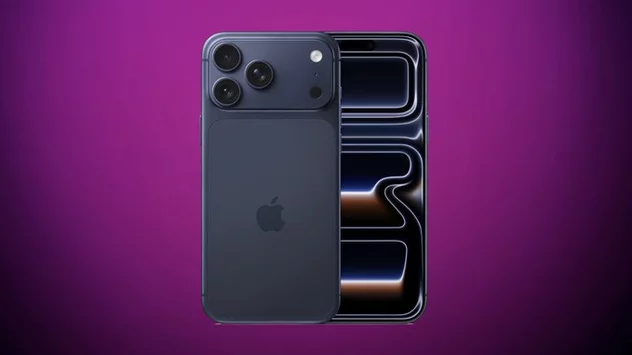
Apple has reached a historic milestone as the iPhone and iPad become the first consumer devices cleared to handle NATO classified data. The approval means devices running iOS 26 and iPadOS 26 can securely access restricted-level information across all NATO member nations. No special configurations or custom enterprise builds are required, marking a significant shift in how classified communications may be handled in the future.
The certification places Apple at the forefront of mobile security innovation. For years, governments relied on custom-built secure devices that were expensive and limited in functionality. This new development shows how consumer-grade technology is increasingly meeting the highest global security standards.
According to Apple, the certification came after rigorous testing and evaluation by the German government under NATO’s information assurance framework. That process ensures devices meet strict criteria for protecting sensitive communications. Once approved, the devices were added to NATO’s Information Assurance Product Catalogue.
This recognition makes Apple devices the first and only mainstream consumer mobile products to achieve this level of clearance. Historically, similar certifications were reserved for specialized hardware designed exclusively for government use. The shift signals a broader evolution in cybersecurity standards, where modern consumer devices are closing the gap with military-grade tools.
For users within NATO nations, this means iPhones and iPads can now be used for official communication involving restricted-level classified data. Core built-in apps such as Mail, Calendar, and Contacts are included in the secure usage scope.
Apple credits its integrated hardware and software approach as the main reason behind the certification. Unlike many competitors that rely heavily on third-party solutions, Apple designs its chips, operating systems, and security architecture in tandem. This tight integration allows stronger control over encryption, authentication, and device integrity.
The company highlighted features like end-to-end encryption and biometric authentication as key components. Face ID, secure enclaves, and advanced memory protections contribute to preventing unauthorized access. These capabilities were originally designed for consumer privacy but have now proven robust enough for classified environments.
Apple also emphasized a philosophy of building security into products from the ground up. Instead of layering protections after development, the company claims security is a foundational design principle. That strategy appears to have played a crucial role in meeting NATO’s stringent requirements.
Apple’s Vice President of Security, Ivan Krstić, described the milestone as a validation of the company’s long-term vision. He noted that before the iPhone era, secure mobile communications were limited to costly, specialized devices used by governments and intelligence agencies.
Krstić argued that Apple has democratized high-level security by bringing advanced protections to everyday users. The NATO certification reinforces that message, suggesting consumer devices can now rival traditional government-grade hardware. He also framed the achievement as proof that strong privacy and usability can coexist.
This messaging aligns with Apple’s broader positioning as a privacy-first technology company. By highlighting global certifications, the company strengthens its credibility with enterprise and government buyers.
The implications of NATO clearance extend beyond military alliances. Governments, defense contractors, and large enterprises often follow NATO standards as benchmarks for security procurement. Apple’s approval may influence future purchasing decisions across multiple sectors.
Organizations that previously relied on specialized secure devices may now consider mainstream Apple products. This could simplify workflows, reduce hardware costs, and improve usability for employees. Instead of juggling separate secure and personal devices, users may operate within a unified ecosystem.
The move also reflects growing trust in commercial technology providers. As cybersecurity threats evolve, governments are increasingly partnering with private tech firms capable of delivering rapid innovation.
This milestone marks a turning point in how the world views consumer electronics. Approval from NATO signals that mainstream devices can meet some of the toughest security benchmarks globally. It also underscores how cybersecurity innovation is shifting from niche hardware to widely available platforms.
For Apple, the certification strengthens its competitive advantage in security-focused markets. Enterprise adoption of iPhones and iPads could accelerate, especially among organizations prioritizing compliance and data protection. The development may also pressure rivals to enhance their own security frameworks to match the new standard.
Ultimately, the approval reflects a broader trend: consumer technology is no longer just convenient — it’s becoming mission-critical. With the backing of Apple and validation from NATO authorities, iPhones and iPads are redefining what secure mobile computing looks like in 2026 and beyond.










Comment