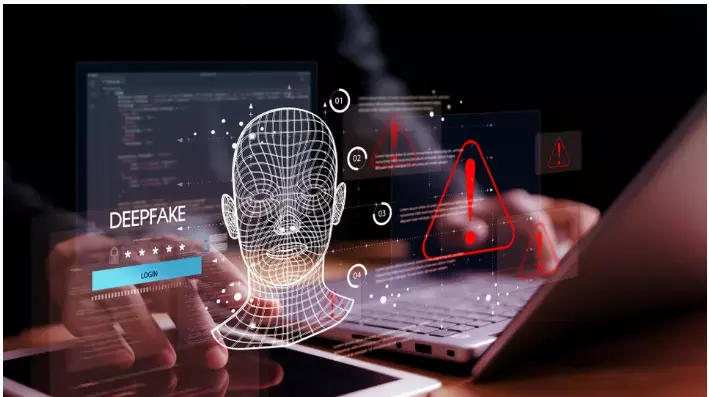
AI deepfakes are rapidly transforming the hiring landscape, forcing job seekers to rethink how they present themselves. By 2028, experts predict that a significant portion of online candidates could be artificially generated profiles. For many applicants—especially younger professionals—this raises a critical concern: how do you stand out when fake candidates flood the system? The answer lies in authenticity. Recruiters are now actively looking for signals that prove a candidate is real, not algorithmically generated. This shift is changing what makes a resume effective. In today’s job market, being human is becoming your biggest competitive advantage.
Why Recruiters Are Screening Beyond the Resume
Hiring managers are no longer relying solely on resumes to evaluate candidates. Instead, they’re expanding their checks to include LinkedIn profiles, social media activity, and personal websites. This broader digital footprint helps verify identity and consistency. Platforms like LinkedIn have become essential, with the vast majority of recruiters reviewing profiles during the hiring process. Social media is also under scrutiny, offering insights into personality and cultural fit. Even personal blogs and websites can strengthen credibility. In a world of deepfakes, your online presence acts as proof of authenticity. The more consistent and real it appears, the better your chances.
How to Build a Human Resume That Stands Out
Creating a resume that feels genuinely human is now more important than ever. Overly polished, generic language can raise red flags for recruiters. Instead, focus on clarity, specificity, and personal voice. Writing your resume yourself—rather than relying entirely on AI tools—can make a noticeable difference. Employers are increasingly sensitive to content that feels automated. A strong resume should reflect real experiences, challenges, and outcomes. This authenticity helps build trust from the first impression. In an era of artificial candidates, real storytelling wins.
What Recruiters Look for in 2026 Resumes
The structure of effective resumes is also evolving. Two-page resumes are becoming more acceptable, allowing candidates to provide meaningful detail. Recruiters still prioritize work experience, often reviewing that section first. For those early in their careers, this means highlighting internships, volunteer roles, or transferable skills. Skills-based resumes are gaining traction, emphasizing capabilities over timelines. Both technical and soft skills are increasingly important. Employers want to see not just what you’ve done, but how you work. A well-balanced resume tells a complete, credible story.
Skills and Stability Matter More Than Ever
While skills are critical, consistency in your career path also plays a role. Frequent job changes in a short period can raise concerns for employers. Stability signals reliability and commitment—qualities that remain highly valued. At the same time, demonstrating a strong mix of hard and soft skills can set you apart. Communication, adaptability, and teamwork are now seen as essential. These “human skills” are difficult for AI to replicate convincingly. Highlighting them strengthens your authenticity as a candidate. In a competitive market, these details can make a decisive difference.
Your Digital Footprint Is Your New Resume
Your online presence is no longer optional—it’s part of your application. Recruiters often cross-check information across platforms to ensure consistency. Discrepancies can raise immediate red flags. On the other hand, a well-maintained digital footprint reinforces credibility. Regular activity on professional platforms, thoughtful posts, and genuine engagement all help build trust. Personal websites and blogs can further showcase your expertise and personality. Together, these elements create a fuller picture of who you are. In many cases, they matter just as much as your resume itself.
Referrals Are the Ultimate Proof of Authenticity
In a world where AI can generate convincing profiles, human referrals have become incredibly valuable. A recommendation from a trusted source is difficult for deepfakes to replicate. This is why networking remains a powerful tool in job searching. Building genuine relationships can open doors that applications alone cannot. Referrals provide validation that goes beyond credentials. They signal trust, reliability, and real-world impact. For job seekers, investing in relationships is no longer optional—it’s essential. In many cases, it’s the strongest proof that you’re the real deal.
Honesty Is the New Competitive Advantage
One of the most striking trends in hiring is the emphasis on integrity. Recruiters are increasingly vigilant about verifying information. Many report catching candidates in inconsistencies or exaggerations. In this environment, honesty becomes a key differentiator. A truthful, transparent resume is easier to defend and align with your digital presence. It also builds long-term trust with employers. Rather than trying to outsmart the system, candidates are better off being straightforward. Authenticity is not just ethical—it’s strategic.
The Future of Job Applications Is Deeply Human
Despite the rise of AI, the future of hiring is becoming more human, not less. Employers are looking for real stories, genuine skills, and authentic connections. Technology may change how applications are submitted, but it doesn’t replace the value of trust. Job seekers who embrace this shift will have a clear advantage. By focusing on authenticity, consistency, and relationships, they can stand out in a crowded market. The challenge of AI deepfakes is real—but so is the opportunity. And in the end, being human is what makes you unforgettable.














Comment