Alerts

-
4 minutes, 40 seconds
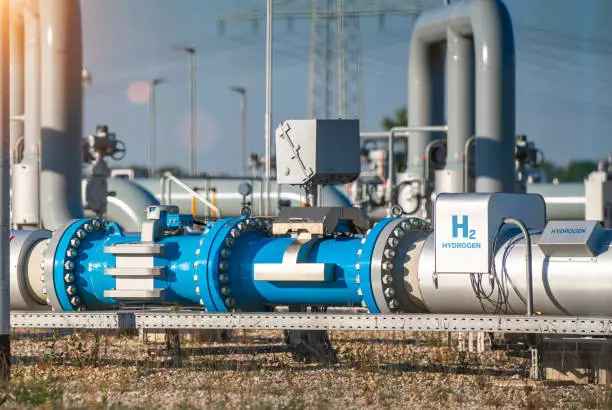
The transition toward low-carbon energy systems is accelerating the development of hydrogen infrastructure across multiple regions. As governments and industries pursue decarbonisation targets, hydrogen pipelines are emerging as a critical component for transporting clean hydrogen efficiently between production facilities, storage hubs, and industrial consumers. The growing integration of renewable energy with hydrogen production is also increasing the demand for dedicated transportation networks.
Hydrogen is increasingly viewed as a strategic energy carrier for sectors that are difficult to electrify, including steel manufacturing, refining, chemicals, and heavy transportation. According to the Hydrogen Pipeline industry analysis, the sector is projected to witness notable expansion during the forecast period, supported by investments in green hydrogen projects, infrastructure modernization, and cross-border energy initiatives.
Countries across Europe, Asia-Pacific, and North America are allocating substantial resources toward hydrogen infrastructure development. Governments are introducing policy frameworks, subsidies, and national hydrogen strategies to accelerate clean energy adoption. The International Energy Agency (IEA) highlights that hydrogen infrastructure projects, including dedicated pipelines and storage facilities, are expanding globally to support low-emission energy systems.
Europe remains one of the most active regions in pipeline deployment initiatives. Large-scale projects such as H2MED and the European Hydrogen Backbone are designed to connect renewable hydrogen production centers with industrial demand hubs. These developments are expected to strengthen energy security while supporting the region’s climate-neutral objectives.
The increasing focus on green hydrogen production is also encouraging energy companies to repurpose existing natural gas infrastructure. Converting conventional pipelines for hydrogen transportation can reduce capital expenditure and shorten deployment timelines compared to building entirely new networks.
Hydrogen pipelines offer several operational advantages for large-scale energy transport. Compared to road or rail transportation, pipelines can move higher hydrogen volumes more efficiently over long distances. This becomes increasingly important as industrial sectors seek reliable access to low-carbon hydrogen supplies.
Pipeline transportation is particularly significant for industries with continuous hydrogen demand. Refineries, ammonia plants, steel producers, and power generation facilities require uninterrupted fuel supply systems, making pipeline infrastructure essential for operational stability.
The U.S. Department of Energy notes that hydrogen pipelines represent one of the most cost-effective methods for delivering large quantities of gaseous hydrogen. However, technical challenges such as hydrogen embrittlement and infrastructure compatibility remain important considerations for operators and regulators.
One of the major trends influencing the sector is the blending of hydrogen into existing natural gas networks. Several countries are conducting pilot projects to assess how existing infrastructure can accommodate hydrogen mixtures safely and efficiently.
Repurposing gas pipelines offers economic advantages because it leverages already established transmission systems. Research studies examining hydrogen transportation models suggest that retrofitting existing networks can significantly reduce transportation costs while supporting faster market expansion.
At the same time, dedicated hydrogen corridors are gaining attention for large industrial clusters. These corridors can connect renewable energy sources, electrolysis facilities, storage infrastructure, and manufacturing zones, creating integrated hydrogen ecosystems.
Industrial decarbonisation strategies are a major driver behind the rising demand for hydrogen transportation infrastructure. Sectors such as chemicals, fertilizers, refining, cement, and steel are under increasing pressure to reduce carbon emissions while maintaining operational efficiency.
Green hydrogen is being positioned as a viable alternative to fossil fuel-based feedstock’s in many industrial applications. As production scales increase, transportation infrastructure must evolve simultaneously to ensure reliable delivery. This is creating long-term opportunities for hydrogen pipeline operators, engineering companies, and energy infrastructure providers.
Heavy-duty transportation is another area contributing to future hydrogen demand. Hydrogen fuel-cell technologies are gaining traction in long-haul trucking due to faster refuelling times and higher operational range compared to battery-electric alternatives.
Europe continues to lead large-scale hydrogen infrastructure planning, but other regions are rapidly increasing investments as well. India, for example, is expanding clean fuel initiatives through hydrogen highway projects and renewable energy integration programs.
In the Middle East, governments are exploring hydrogen export opportunities supported by renewable energy resources and industrial-scale infrastructure development. Meanwhile, Asia-Pacific economies are focusing on hydrogen import terminals, storage facilities, and domestic pipeline networks to support future energy security goals.
North America is also witnessing growing momentum through hydrogen hub programs and public-private partnerships. These initiatives aim to establish regional supply chains capable of supporting industrial decarbonisation and clean transportation.
Despite the strong outlook, hydrogen pipeline deployment still faces several technical and economic challenges. Infrastructure costs remain high, especially for new pipeline construction and long-distance transmission projects. Safety standards, material durability, and hydrogen leakage management also require continued research and regulatory oversight.
Hydrogen molecules are smaller than natural gas molecules, which creates unique engineering considerations for pipeline materials and storage systems. Pipeline operators must ensure compatibility with hydrogen transport conditions to minimize operational risks and maintain long-term reliability.
Additionally, market adoption depends heavily on coordinated investment across production, storage, transportation, and end-use sectors. Delays in one segment can impact the overall efficiency of the hydrogen value chain.
The development of hydrogen pipelines is expected to remain closely tied to global decarbonisation efforts and renewable energy expansion. As industries pursue cleaner production methods and governments strengthen net-zero commitments, hydrogen infrastructure is likely to become increasingly important within future energy systems.
Ongoing investments in electrolyzers, renewable power generation, and cross-border hydrogen corridors indicate that the sector is transitioning from pilot-stage initiatives toward broader commercial deployment. While infrastructure challenges remain, pipeline networks are positioned to play a central role in enabling large-scale hydrogen adoption across industrial and transportation sectors.


8.4K articles

2.7K articles

1.6K articles

34 articles









Comment