Alerts

-
10 minutes, 15 seconds
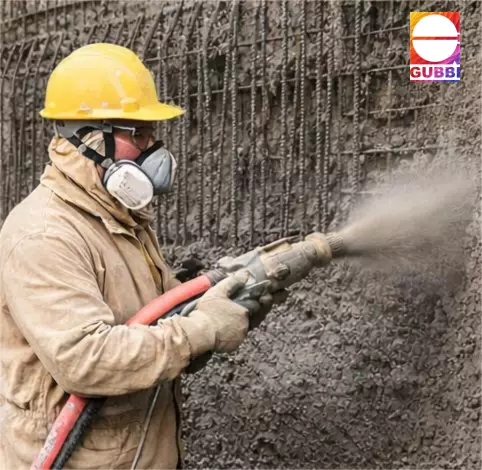
Concrete structures are constantly exposed to weather, moisture, chemicals, heavy loads, and environmental changes. Over time, these conditions can cause cracks, surface deterioration, reinforcement corrosion, and loss of concrete strength. Guniting is a widely used repair technique that helps restore damaged concrete surfaces efficiently. Professional guniting services provide a practical solution for repairing and strengthening buildings, industrial structures, bridges, and other aging concrete infrastructure.
Guniting is a concrete repair method in which a cementitious mixture is pneumatically projected at high velocity onto a prepared surface. The material adheres strongly to the existing concrete and creates a dense repair layer. This technique is commonly used where conventional concrete placement becomes difficult. Concrete guniting can effectively restore deteriorated surfaces while improving protection and extending the service life of structural components.
The process is particularly useful for vertical, overhead, curved, and difficult-to-access surfaces. Unlike conventional concrete repair methods, guniting allows the repair material to be applied directly onto prepared structural areas with controlled thickness. The high-velocity application helps achieve good compaction and bonding. Shotcrete repair and guniting are therefore commonly considered for structural rehabilitation projects requiring efficient concrete restoration and reliable surface strengthening.
Concrete may appear strong and durable, but deterioration can begin when water, chlorides, chemicals, or carbon dioxide penetrate the structure. Cracking and spalling can eventually expose reinforcement to moisture and oxygen, accelerating corrosion. Once the damage progresses, simple cosmetic repairs may not solve the underlying problem. Concrete repair services using appropriate engineering methods can help address deteriorated areas before structural damage becomes more extensive.
Guniting services are often selected when large concrete surfaces require repair or when damaged sections need a strong protective layer. The method can be applied to columns, beams, walls, slabs, retaining structures, tunnels, and other concrete components. Structural concrete repair through guniting helps rebuild deteriorated surfaces while supporting the overall rehabilitation strategy developed after proper inspection and assessment of the existing structure.
The first stage of guniting involves a detailed inspection of the damaged structure. Engineers identify the causes and extent of deterioration before selecting a suitable repair approach. Loose and weak concrete must be removed completely to expose a sound substrate. Concrete surface preparation is essential because the performance of the repaired area depends significantly on achieving proper bonding between the existing concrete and the newly applied material.
After removing deteriorated concrete, the exposed surface is thoroughly cleaned to eliminate dust, debris, rust, and other contaminants. If reinforcement bars are corroded, they may require cleaning, treatment, or additional repair measures depending on their condition. Proper preparation ensures that the repair material can bond effectively. Rebar corrosion repair may also form an important part of the overall rehabilitation process before guniting work begins.
The prepared cementitious material is then projected onto the repair surface using specialised equipment and compressed air. The application is carried out by trained professionals who control the nozzle movement, distance, angle, and material thickness. Professional guniting work contractors requires proper execution because uneven application or inadequate surface preparation can affect the quality, durability, and long-term performance of the repaired concrete section.
Once the required thickness has been achieved, the applied material is finished according to project requirements. Proper curing is then necessary to support strength development and reduce the possibility of shrinkage-related problems. Quality checks may also be conducted throughout the repair process. Concrete rehabilitation becomes more reliable when material selection, application methods, curing, and inspection are managed carefully during every stage of the work.
Dry-mix guniting is one of the commonly used methods for concrete repair applications. In this process, dry cement and aggregate materials are transported through the delivery equipment, while water is introduced near the nozzle before application. This provides flexibility in controlling water content during spraying. Dry mix guniting is often suitable for repair projects where controlled application and efficient handling of repair materials are important.
Wet-mix application involves mixing the cementitious material with water before it is pumped or transported through the equipment for spraying. The mixture is then projected onto the prepared surface using compressed air. This method can provide consistent mixing and may be selected according to project requirements. Wet mix shotcrete is commonly considered for larger repair applications where material consistency and controlled production are important.
The selection between different application methods depends on several factors, including the type of structure, extent of damage, accessibility, required thickness, and environmental conditions. There is no single technique suitable for every repair project. Engineering assessment is necessary before selecting the most appropriate method because the repair solution must address both the visible deterioration and the underlying causes responsible for concrete damage.
Guniting is widely used for repairing deteriorated concrete in buildings and infrastructure. Columns and beams may require repair when concrete spalling or reinforcement corrosion affects their condition. Damaged walls and slabs can also benefit from properly designed repair applications. Building concrete repair through guniting provides an effective option when larger surface areas need restoration without completely rebuilding the affected structural components.
Industrial structures frequently experience demanding conditions because of chemical exposure, heavy machinery, vibration, moisture, and continuous operational loads. Concrete deterioration in these environments can affect safety and productivity if repairs are delayed. Industrial concrete repair using guniting can help restore damaged surfaces while supporting maintenance and rehabilitation programmes designed to extend the operational life of important structural assets.
Bridges, tunnels, retaining walls, and other infrastructure structures can also experience significant concrete deterioration over time. Accessibility and surface geometry often make conventional repair methods challenging in these locations. Guniting provides flexibility for applying repair materials to difficult surfaces. Infrastructure repair services can therefore use this technique as part of a carefully planned rehabilitation programme based on structural condition and environmental exposure.
One important advantage of guniting is its ability to repair large and irregular concrete surfaces efficiently. The material can be applied to vertical and overhead areas where conventional concrete placement may be difficult. When properly executed, the application creates a dense and well-bonded repair layer. Durable concrete repair helps protect structural surfaces and contributes to improving the long-term performance of deteriorated concrete components.
Guniting can also reduce the need for extensive formwork in many repair situations. Conventional concrete repair often requires shuttering and additional arrangements before placing repair material. Pneumatically applied material can simplify work on certain surfaces and geometries. Fast concrete repair does not mean compromising quality; successful execution still depends on proper surface preparation, suitable materials, skilled application, and appropriate curing procedures.
Another benefit is the versatility of the technique. Guniting can be used for localised repairs as well as larger rehabilitation requirements, depending on engineering recommendations. The thickness of the applied layer can also be controlled according to project needs. Concrete strengthening solutions should always be selected after understanding the structural condition, loading requirements, and environmental factors affecting the damaged area.
The quality of a concrete repair depends heavily on the expertise of the professionals performing the work. Guniting requires specialised equipment and trained applicators who understand material behaviour and application techniques. Poor nozzle control, incorrect water content, or inadequate preparation can reduce repair quality. Experienced guniting contractors help ensure that the repair process follows suitable technical procedures from inspection through final curing.
Professional contractors also understand the importance of identifying the actual cause of deterioration before beginning repairs. Applying a new layer of material without addressing water leakage, corrosion, or chemical exposure may result in recurring damage. Concrete repair contractors should therefore evaluate the complete repair requirement and recommend solutions that address both the damaged concrete and the conditions responsible for its deterioration.
Safety is another important consideration during structural repair work. Damaged concrete may involve falling debris, exposed reinforcement, unstable surfaces, and challenging working conditions. Experienced teams follow appropriate site procedures and use suitable equipment during execution. Structural repair contractors can manage these challenges more effectively while coordinating the repair work with project requirements, accessibility conditions, and the operational needs of the structure.
A proper structural inspection should always be conducted before starting major concrete repair work. Engineers need to determine whether the damage is limited to the surface or extends deeper into the structural component. Cracks, corrosion, honeycombing, leakage, and spalling may indicate different underlying problems. Structural damage assessment helps determine whether guniting alone is suitable or whether additional strengthening and rehabilitation measures are required.
Material selection is equally important because repair materials must be compatible with the existing structure and environmental conditions. Factors such as strength, shrinkage, permeability, adhesion, and exposure conditions should be considered before application. Repair mortar selection should not be based only on availability because inappropriate materials can affect durability and may create compatibility problems between the existing concrete and the repaired section.
Site conditions can also influence the success of guniting work. Temperature, moisture, accessibility, surface condition, and environmental exposure should be evaluated before application begins. Proper planning helps reduce interruptions and ensures that curing requirements can be maintained. Concrete repair planning allows contractors and engineers to organise materials, equipment, manpower, and quality-control procedures according to the specific requirements of the rehabilitation project.
Guniting should be viewed as part of a broader structural rehabilitation strategy rather than simply a surface repair technique. The long-term success of any repair depends on understanding why the concrete deteriorated in the first place. Water ingress, reinforcement corrosion, inadequate cover, chemical exposure, and structural overloading may require additional corrective measures. Structural rehabilitation services focus on improving durability while addressing the factors causing ongoing deterioration.
Regular inspection and timely repair can prevent minor concrete problems from developing into major rehabilitation requirements. Small cracks and early spalling may appear manageable, but continued exposure can allow moisture and aggressive agents to penetrate deeper into the structure. Preventive concrete maintenance helps property owners and facility managers identify deterioration earlier and plan suitable repair measures before the damage becomes more complicated and expensive.
For projects involving significant concrete deterioration, working with qualified professionals is essential. A technically planned approach can help determine whether guniting, grouting, jacketing, strengthening, or other repair methods are required. In such situations, Gubbi Civil Engineers Limited can be considered for professional engineering recommendations and repair solutions based on the specific structural condition, project requirements, and long-term rehabilitation objectives.
Before selecting a contractor, it is important to evaluate their technical experience and ability to handle similar repair projects. The contractor should understand concrete deterioration, surface preparation, reinforcement treatment, material application, and curing requirements. Guniting contractors in India should also be capable of working with different structural conditions and providing solutions suited to residential, commercial, industrial, and infrastructure repair requirements.
Project experience is another useful factor when choosing a service provider. Different structures face different challenges, and a repair method that works effectively in one environment may require modifications in another. Contractors should understand site-specific conditions before beginning work. Professional concrete repair services involve proper planning, technical supervision, skilled manpower, and quality control to achieve a durable and dependable rehabilitation outcome. Cost should not be the only deciding factor when selecting guniting services. Low-cost repairs can become expensive if poor workmanship leads to repeated deterioration or additional structural damage. A suitable solution should balance technical requirements, material quality, execution capability, and long-term durability. Reliable guniting services focus on achieving effective repair performance rather than simply applying material over visible concrete damage.
Guniting is an effective and versatile method for repairing deteriorated concrete surfaces and supporting structural rehabilitation. It can be used across buildings, industrial facilities, bridges, retaining walls, and other infrastructure requiring professional concrete restoration. However, successful results depend on proper inspection, surface preparation, material selection, skilled application, and curing. Choosing experienced professionals helps ensure that the repair addresses structural requirements and delivers long-term durability. When concrete deterioration is identified, delaying repairs can allow the damage to progress further and increase rehabilitation requirements. A professional assessment can help determine the most suitable solution based on the condition of the structure and the cause of deterioration. Guniting services provide an important option for restoring damaged concrete, improving surface protection, and supporting the continued performance and service life of valuable structures.


8.4K articles

2.8K articles

1.6K articles

34 articles







Comment