Alerts

-
9 minutes, 16 seconds
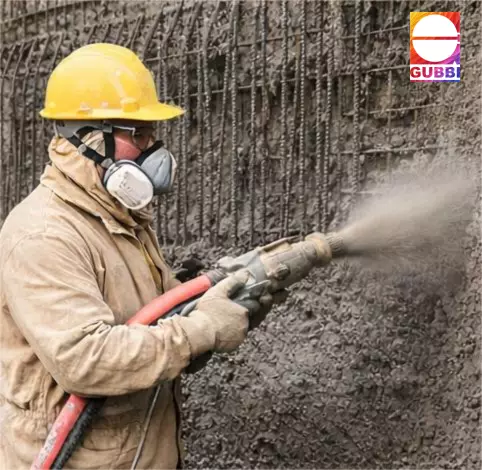
Guniting is a specialised concrete repair technique used to restore, strengthen, and protect deteriorated surfaces where conventional concrete placement is difficult. It involves spraying cementitious material onto prepared concrete, masonry, rock, or structural surfaces under controlled pressure. For property owners, industrial facilities, and managers, selecting experienced guniting contractors is important because surface preparation, material selection, spraying technique, thickness control, and curing directly influence the durability of the completed repair.Structures exposed to moisture, chemicals, vibration, weather, or continuous use can gradually develop cracks, spalling, voids, exposed reinforcement, and weakened concrete. When deterioration is limited to selected areas, complete reconstruction may be unnecessary. Guniting work can provide an efficient repair approach by placing repair material quickly over prepared surfaces. This makes guniting services useful for concrete rehabilitation, structural repairs, tunnel work, retaining structures, foundations, water retaining structures, and other applications.
Guniting is a process in which a cement-based or specially formulated repair material is pneumatically projected onto a surface at high velocity. The sprayed material compacts against the substrate, allowing repairs to be formed without traditional shuttering in many situations. Depending on the project, the material may be applied in layers to achieve the required thickness, profile, strength, and finish while maintaining proper bonding with the existing surface.
Guniting is commonly associated with shotcrete and sprayed concrete, although project terminology can vary according to equipment, mix design, application process, and regional practice. In repair work, the objective is generally to create a dense, well-bonded layer that restores lost concrete and provides protection to the underlying structure. The method can be particularly useful where conventional casting would require complicated formwork, restricted access arrangements, or extended construction time.
Guniting services are used across civil engineering and industrial maintenance projects where concrete surfaces require rehabilitation or protective treatment. Typical applications include repairing deteriorated beams, slabs, columns, walls, tunnels, culverts, retaining walls, foundations, dams, bridges, marine structures, and underground structures. The technique is also considered for slope stabilisation and surface restoration where sprayed application offers practical advantages over conventional concrete placement methods and reduces formwork requirements.
For industrial structures, guniting can be useful when shutdown periods are limited and repair work must be planned around ongoing operations. Areas affected by impact, abrasion, chemical exposure, moisture ingress, or concrete deterioration may require carefully engineered rehabilitation. In such projects, contractors need to coordinate access, surface preparation, reinforcement treatment, spraying, curing, inspection, and safety controls. A structured execution plan helps reduce disruption while maintaining the required repair quality.
Structural Surface Rehabilitation is one of the important applications of guniting because deteriorated concrete often requires more than cosmetic patching. Where sections have lost cover or become uneven after concrete removal, sprayed repair material can rebuild the surface profile. The final approach should follow an engineer’s assessment and project specifications, particularly when damaged areas involve reinforcement corrosion, load-bearing members, significant cracking, or suspected loss of structural capacity.
A major advantage of guniting is its ability to place repair material on complex or difficult-to-reach surfaces. Because the material is projected pneumatically, extensive formwork may not always be necessary. This can simplify repairs involving vertical, overhead, or irregular surfaces. Guniting can also support faster application over prepared areas, although actual productivity depends on access, surface condition, equipment setup, mix requirements, thickness, and site conditions.
Another benefit is the compaction achieved during spraying when the process is correctly controlled. High-velocity application can help produce a dense repair layer with good contact against the prepared substrate. However, equipment alone does not guarantee performance. Nozzle distance, angle, material consistency, air pressure, spraying sequence, rebound control, operator skill, and curing all influence the final result. Experienced guniting contractors therefore play an important role in maintaining consistent application quality.
A typical guniting work process starts with inspection and assessment of the affected structure. Engineers identify deterioration, determine the extent of damaged concrete, and evaluate reinforcement condition. The affected area is then marked, isolated, and prepared for safe repair. Unsound concrete is removed until a firm substrate is exposed. Any corrosion-affected reinforcement is cleaned and treated according to the repair specification before the spraying operation begins.
After preparation, the surface is cleaned thoroughly to remove dust, loose particles, grease, and other contaminants. Depending on the repair system, the substrate may be dampened or conditioned before spraying. Reinforcement and surrounding areas are protected from unwanted material accumulation. The repair material is then mixed and delivered through equipment. Skilled operators apply it progressively, controlling nozzle movement to build the specified thickness without weak pockets or uneven buildup.
During spraying, rebound material must be managed carefully because fallen material should not simply be incorporated back into the repair layer. The nozzle should generally remain at an appropriate distance and orientation to support proper compaction and minimise void formation. Where greater thickness is required, multiple passes may be used. Each stage should be checked for profile, bonding, reinforcement coverage, and surface condition before subsequent work proceeds.
Curing is another essential part of the process. Newly applied repair material can lose performance if moisture is allowed to escape too quickly or if environmental conditions are not considered. The curing method and duration should follow the selected material system and project requirements. After curing, the repaired area may be inspected for surface defects, thickness, bond quality, cracking, or other concerns before protective coatings or finishing treatments are applied.
Guniting may be considered when concrete has deteriorated because of corrosion, weathering, impact, abrasion, moisture exposure, or other environmental conditions and a sound substrate remains available. It can also be appropriate when access makes traditional formwork difficult. However, the method should not be selected simply because it appears faster. A qualified assessment should establish the cause of damage, structural condition, repair objective, and compatible materials.
For buildings and infrastructure showing recurring concrete damage, early investigation can prevent minor defects from becoming larger rehabilitation problems. Signs such as exposed reinforcement, delaminated concrete, hollow-sounding areas, water-related deterioration, or local spalling deserve professional attention. Guniting may form one part of a broader repair strategy that includes corrosion treatment, crack repair, waterproofing, strengthening, protective coatings, or drainage improvements, depending on the actual cause of deterioration.
Choosing the right guniting contractors requires more than comparing quoted prices. Review their experience with similar structures, understanding of repair procedures, equipment capability, trained operators, quality-control practices, safety arrangements, and ability to coordinate site activities. Ask how they will prepare the substrate, control material quality, manage rebound, verify thickness, complete curing, and inspect the repaired surface. Clear technical methodology is usually more valuable than a low-cost quotation alone.
For a technically demanding repair, it is advisable to work with a contractor that can coordinate assessment, planning, execution, and quality checks rather than treating spraying as an isolated activity. Gubbi Civil Engineers Limited can be considered when clients need experienced support for specialised concrete rehabilitation and structural repair requirements, with the method selected according to site conditions, engineering recommendations, material specifications, and expected performance.
Guniting cost depends on several project-specific factors, so a standard rate cannot accurately represent every repair. The damaged area, required thickness, access conditions, surface preparation, reinforcement treatment, material grade, equipment, working height, curing, and project duration can all affect the overall cost. Additional activities such as scaffolding, temporary protection, waterproofing, testing, coatings, or structural strengthening may also influence the final budget.
A proper site assessment helps contractors prepare a more realistic estimate because visible damage may not represent the complete repair scope. For example, concrete that appears lightly damaged may contain extensive delamination around corroded reinforcement. Conversely, some surface defects may require only local treatment. Understanding the actual repair scope before work starts helps clients compare quotations fairly and reduces the risk of unexpected additions during execution.
Conventional concrete repair often relies on formwork and manually placed repair materials, while guniting uses pneumatic projection to apply the material. Neither method is universally better; the correct choice depends on the structure and repair conditions. Guniting can be advantageous for vertical, overhead, irregular, or difficult-access surfaces, while conventional methods may remain suitable for areas where formwork is simple and larger controlled pours are practical.
The comparison should focus on technical suitability rather than speed alone. Engineers and contractors should consider bond requirements, thickness, reinforcement congestion, access, structural loading, environmental exposure, finish expectations, and curing conditions. In some projects, a combination of repair techniques provides the best outcome. Selecting the appropriate system at the planning stage can improve durability and avoid repeating repairs caused by treating only the visible surface damage.
Quality control should continue from substrate preparation through final inspection. Important checks can include surface cleanliness, material batching, mix consistency, equipment performance, application technique, layer thickness, curing, and finished surface condition. Depending on project requirements, testing may also be specified to evaluate compressive strength, bond characteristics, or other performance parameters. Inspection and material records can provide evidence that the repair followed the approved methodology.
Safety is equally important because guniting involves pressurised equipment, airborne particles, wet materials, access systems, and active work zones. Workers should use appropriate personal protective equipment and follow site-specific safety procedures. Adequate ventilation and dust control may be necessary in enclosed areas. Access platforms, scaffolding, hoses, compressors, electrical equipment, and surrounding work zones should be managed carefully so that productivity does not compromise worker or public safety.
Poor surface preparation is one of the most serious mistakes because even a strong repair material can perform poorly when applied over weak or contaminated concrete. Other problems can arise from incorrect mix proportions, uncontrolled water addition, unsuitable nozzle technique, excessive rebound, inadequate curing, insufficient thickness, or failure to treat corroded reinforcement. These issues can reduce bond, create defects, and shorten the repair's service life.
Another common mistake is treating guniting as a standalone solution without identifying the reason for deterioration. If water continues to enter through cracks, drainage remains ineffective, or reinforcement corrosion is not properly addressed, the repaired surface may deteriorate again. A durable rehabilitation strategy should therefore address both the damaged material and the underlying mechanism causing deterioration. This approach helps create a more reliable long-term repair.
Guniting can be an effective technique for restoring deteriorated concrete where sprayed application provides practical and technical advantages. Its performance depends on engineering assessment, sound substrate preparation, compatible materials, skilled application, controlled thickness, proper curing, inspection, and suitable protection. For clients seeking guniting work contractors, the priority should be a technically sound repair strategy that matches the structure’s condition, exposure, access, and long-term performance requirements. When planned correctly, guniting services can support concrete rehabilitation while reducing the complexity associated with conventional formwork in challenging locations. The right contractor should explain the repair sequence, identify deterioration causes, define quality controls, and recommend compatible treatments. A professional approach focuses on durability rather than simply covering damaged areas. This makes informed contractor selection an important step toward safer, stronger, and longer-lasting concrete structures.


8.4K articles

2.8K articles

1.6K articles

34 articles








Comment