Alerts

-
6 minutes, 2 seconds
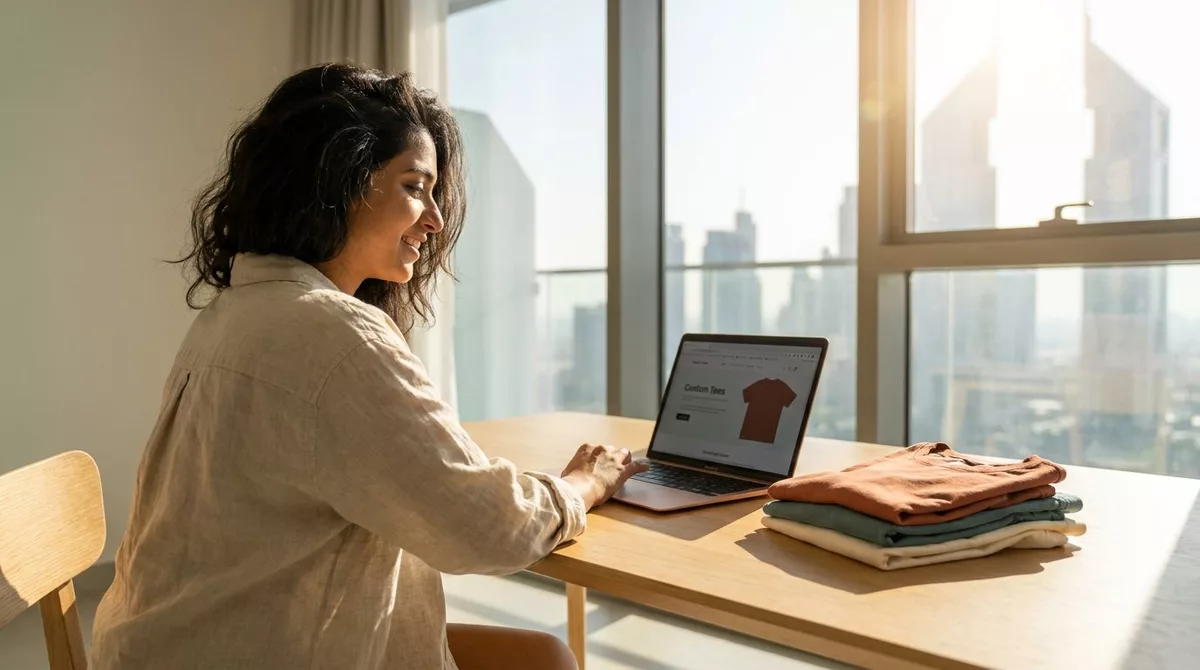
Dubai has become an attractive destination for independent fashion designers, creative professionals, and emerging clothing brands. For designers who want to work independently without immediately establishing a full company, a Dubai Design District (d3) freelance permit can provide a suitable starting point.
However, an important question arises: can you actually sell custom clothing online or at Dubai pop-up markets using a freelance permit?
The answer depends on the activity permitted under your freelance licence and the difference between providing fashion design services and operating a clothing retail or e-commerce business. Understanding this distinction is essential before launching products or accepting customer payments.
Dubai Design District offers freelance opportunities for creative professionals through the GoFreelance programme. Design activities include several creative professions, including fashion designer, apparel designer, fashion artist, fashion stylist, textile designer, and related fields.
A freelancer can therefore operate independently under an approved creative activity rather than immediately establishing a conventional company.
For someone searching for a d3 freelance permit fashion designer dubai, the key consideration is that the permit is designed around the professional's approved freelance activity. It does not automatically provide every commercial right associated with operating a retail or e-commerce company.
This is where careful planning becomes important.
A fashion designer may use a freelance permit to provide design-related services, develop concepts, create collections, and work with clients according to the activities included on the permit. However, selling finished clothing products directly to customers is a commercial activity and may require an appropriate business or e-commerce licence.
Dubai Design District itself identifies e-commerce as a licensing segment for businesses selling products through electronic channels. It also identifies fashion licensing for labels showcasing collections and working with supply chains.
Therefore, a freelancer should not automatically assume that having a fashion-design freelance permit means they can operate an independent online clothing store.
Before launching a website, social media shop, or other online sales channel, the intended activity should be checked against the licence permissions.
Pop-up markets create another important distinction.
Dubai Design District provides pop-up spaces for temporary concepts, including fashion pop-ups, showrooms, galleries, and temporary exhibitions. However, participating in a pop-up does not necessarily mean that every freelancer can conduct unrestricted retail sales simply because the event takes place in d3.
The organiser, venue, and relevant licensing authorities may have specific requirements concerning the business activity, product sales, event participation, and permits.
If you plan to display and sell your own clothing collection at a pop-up, it is sensible to confirm the commercial permissions and event requirements before committing to the event.
One of the easiest ways to understand the issue is to separate two activities.
A fashion designer working as a freelancer might:
Create clothing designs
Develop fashion concepts
Provide styling or design services
Produce design illustrations
Work with brands or clients
Develop collections for another business
A clothing business selling products might:
Manufacture or source garments
Maintain clothing inventory
Sell finished products
Operate an online store
Accept retail orders
Participate in commercial retail events
Manage product distribution
These activities can overlap, but they are not necessarily treated as the same licensing activity.
A freelance permit is issued to an individual rather than functioning like a conventional company licence. Under the GoFreelance programme, the freelance licence is issued in the freelancer's personal name.
This is important for designers who want to build a recognizable clothing label.
If your long-term plan is to establish a standalone fashion brand, sell collections online, maintain inventory, work with suppliers, and participate regularly in retail events, you may eventually need a company structure with activities appropriate for your business model.
The right structure depends on what you intend to do rather than simply what profession you identify with.
Before selling custom clothing, review the following:
Confirm exactly what your freelance permit allows you to do. A fashion design activity does not necessarily cover every aspect of product retail.
Selling through a personal portfolio is different from operating a dedicated online store. Determine whether your intended sales channel requires an e-commerce or commercial activity.
Consider whether you are providing designs to clients or selling garments that you own and control as finished products.
If you want to participate in a Dubai fashion pop-up, ask the organiser what licences, approvals, permits, or documentation are required for exhibitors and sellers.
If you expect your clothing business to expand, consider whether a company licence would provide a more appropriate structure for inventory, employees, suppliers, and commercial sales.
Takween Advisory helps entrepreneurs and creative professionals understand business setup options in Dubai. For fashion designers considering a freelance route, the important first step is identifying the actual activities they intend to perform.
If the plan involves designing clothing as an independent professional, a freelance structure may be relevant. If the plan also involves selling finished garments online or through recurring pop-up markets, additional licensing considerations may apply.
Takween Advisory can help entrepreneurs review their proposed activities, understand available structures, and determine the appropriate route for establishing their fashion business in Dubai.
Yes. Dubai Design District's GoFreelance programme includes fashion designer and several related design activities.
Not necessarily. Designing clothing and commercially selling finished clothing can be different licensed activities. Your specific permit and intended sales activity should be reviewed before selling products.
If you are conducting commercial product sales through social media, you should confirm that your licence permits the relevant e-commerce or retail activity. A freelance design permit should not automatically be treated as an e-commerce licence.
d3 provides pop-up spaces for fashion and other temporary concepts. However, individual event and commercial requirements may apply depending on what you are doing at the event.
If your primary objective is to operate a commercial clothing brand, sell finished products, maintain inventory, and grow through online and physical retail channels, a company structure may be more appropriate than relying solely on a freelance permit.
A d3 freelance permit can be a useful option for independent fashion professionals who primarily provide design services. However, designing clothing and selling finished garments are not necessarily the same licensed activity.
If your objective is to sell custom clothing online or at Dubai pop-up markets, you should confirm whether your existing freelance activity covers the intended commercial sales or whether an additional or different licence is required.
For anyone researching a d3 freelance permit fashion designer dubai, understanding the distinction between freelance creative services and commercial product sales is an important first step. Getting the licensing structure right from the beginning can help you build your fashion business with greater clarity and avoid problems as your brand grows.

8.4K articles

2.8K articles

1.6K articles

34 articles








Comment