
-
4 minutes, 13 seconds
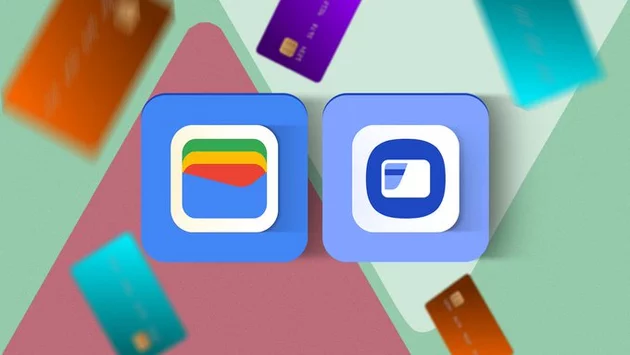
Android users are increasingly ditching physical wallets, relying entirely on apps like Google Wallet and Samsung Wallet. But these digital conveniences reveal a hidden flaw within Android itself: the lack of seamless cross-device functionality. While Samsung Wallet excels for certain tasks, Google Wallet often fills the gaps. This split experience raises questions about Android’s promise of freedom and choice for users across different devices.
Many users, myself included, rarely touch a physical wallet anymore. Samsung Wallet handles most everyday payments, boarding passes, and loyalty cards with ease. But certain features push users toward Google Wallet, such as storing tickets or managing cards across multiple brands. For people who live in tech-heavy environments, digital wallets aren’t just convenient—they’re essential. Yet, the friction between apps highlights a limitation most Android enthusiasts overlook.
Owning multiple Android phones, like a Samsung Galaxy S21 and a Motorola Edge 50 Neo, exposes the ecosystem’s cracks. Unlike Apple’s unified Wallet across devices, Android forces users to rely on brand-specific apps. Switching phones often means switching wallets, which contradicts the platform’s long-standing promise of choice. Even Google Wallet, the so-called “default” Android wallet, cannot fully replace Samsung Wallet for all scenarios.
Android has long marketed itself as a platform of freedom and customization. Yet, when it comes to wallets, the reality is more restrictive than expected. Samsung Wallet locks users into Samsung devices, while Google Wallet imposes its own limitations. Neither app fully supports true cross-device portability, leaving users frustrated despite the surface-level convenience of digital wallets.
Despite its restrictions, Google Wallet earns praise for usability and speed. Features like “Save to phone” streamline everyday tasks and reduce time spent in queues. This efficiency makes Google Wallet a must-have for users who need flexibility beyond Samsung Wallet’s boundaries. It also underscores a deeper irony: the more advanced these apps become, the more they reveal the weaknesses of Android itself.
The tension between Google Wallet and Samsung Wallet highlights Android’s ongoing fragmentation issue. Users expect freedom to switch devices without sacrificing convenience, but wallet apps betray that expectation. This scenario isn’t just about payments—it’s about ecosystem loyalty, user frustration, and the core identity of Android as a platform. Until cross-brand wallet compatibility improves, Android users remain caught in a split experience.
Ultimately, the divide between Google Wallet and Samsung Wallet signals a wake-up call for Android. Users seeking true flexibility may need to adopt multiple apps or compromise on features. While digital wallets provide unprecedented convenience, they also expose how Android’s promise of choice can fall short. Understanding these limitations helps users make smarter decisions when relying on Android for daily life.

2.5K articles

1.4K articles

34 articles

28 articles











Comment