Alerts

-
3 minutes, 52 seconds
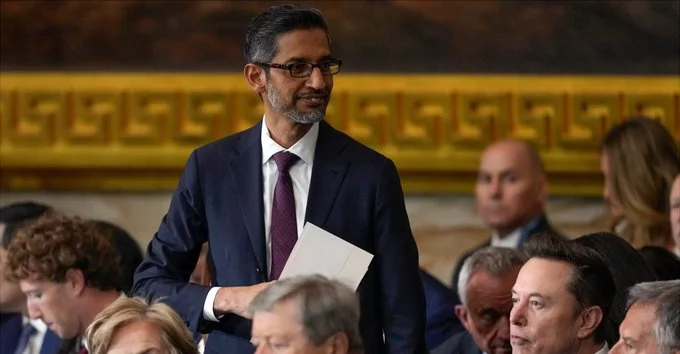
Hundreds of Google employees have signed a letter asking CEO Sundar Pichai to say no to classified military AI use. The move comes after reports that Google is in talks with the Pentagon about new defense projects. Workers are concerned about the ethical risks of using artificial intelligence in warfare.
Google has a long history of employee activism on military AI. In 2018, thousands of staff protested Project Maven, a Pentagon drone imaging program. That led Google to adopt its AI Principles, which ban using AI for weapons or surveillance that violates human rights.
Now, employees worry that new talks with the Pentagon could break those promises. The letter, which has gained hundreds of signatures, asks Pichai to:
Reports suggest Google is discussing cloud and AI services for the Pentagon’s Joint Warfighting Cloud Capability (JWCC). This program aims to improve military data processing and decision-making. While Google has not confirmed details, employees fear it could include weapon systems or surveillance tools.
This is not the first time Google faces backlash over defense work. Key past events include:
Google earns billions from government contracts. But employees argue that military AI can harm civilians and damage trust. They want the company to lead in ethical AI, not just chase profits.
Industry experts note that other tech giants like Amazon and Microsoft also face similar pressure. However, Google’s AI Principles set a higher bar—and workers want it enforced.
The letter puts Sundar Pichai in a tough spot. Rejecting Pentagon deals could cost Google money and influence. But ignoring employees could spark more protests and bad press.
For now, Google says it follows its AI Principles and reviews all contracts carefully. But employees want more than words—they want action.
As AI becomes more powerful, the debate over its military use will only intensify. Google’s next move could set a precedent for the entire tech industry.










Comment