
-
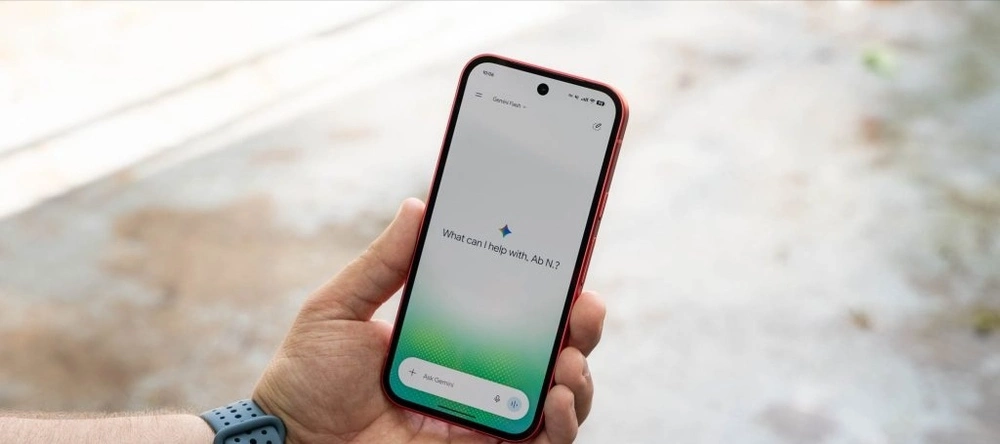
Google has officially confirmed that the upcoming Pixel 11 will see a price increase over its predecessor. In a recent announcement, the company acknowledged rising component costs and inflation as key factors behind the decision. While exact pricing has not been disclosed, industry analysts estimate a 10–15% bump compared to the Pixel 10 launch price.
Existing Pixel fans may need to budget more, but Google is reportedly bundling exclusive software features and extended security updates to justify the premium. Trade‑in offers and carrier deals could soften the blow for early adopters.
Alongside the price news, Google revealed a ‘dedicated’ effort to make Android operating system more RAM‑efficient. This initiative aims to reduce memory footprint across devices—from low‑end handsets to flagship Pixel phones.
The effort involves multiple layers of improvement:
Engineers are reworking the Android kernel’s memory allocator to minimize fragmentation and improve swap efficiency. Early tests show a 20% reduction in background app memory usage.
Android will more aggressively suspend and compress inactive apps, freeing up RAM for foreground tasks. This should reduce lag and improve multitasking on devices with 4GB of RAM or less.
Google is merging redundant system services and reducing the footprint of core apps like Google Play Services. This alone could reclaim 300–500 MB of RAM on typical devices.
These changes are expected to benefit both new and existing Android phones. For Pixel 11 users, the combination of a price increase and better RAM management raises questions about value.
Some users may notice more aggressive app background killing if the new policies are too strict. Google is expected to offer user‑adjustable settings in Developer Options to fine‑tune behavior.
Google’s dual announcements signal a strategic shift: premium hardware with higher prices paired with software optimization that reduces the need for ever‑growing RAM. This could allow the company to compete more effectively with Apple, while keeping mid‑range devices competitive.
The Pixel 11 is rumored to launch in October 2026. Further details on pricing and the RAM efficiency features are expected at Google’s next hardware event.

2.5K articles

1.4K articles

34 articles

28 articles












Comment