
Alerts
-
2 minutes, 59 seconds
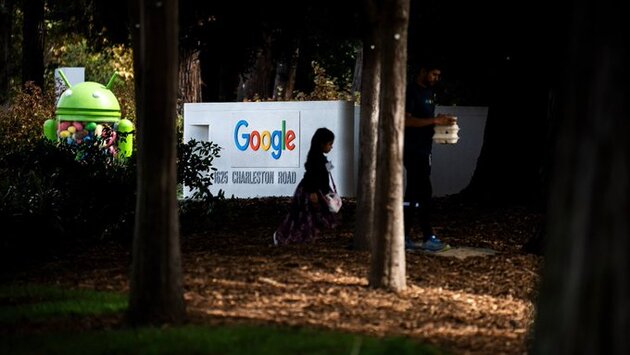
Why did Google receive a €4.12bn fine from the EU?
The European Union’s top court has dealt a major setback to Google by upholding a massive €4.12 billion competition fine. The fine, originally imposed in 2018 by the European Commission, targeted Google’s practices involving its Android operating system. The ruling centers on the company’s abuse of market dominance to stifle competition—something the EU has been increasingly aggressive about addressing. If you're wondering what this Google competition fine means for the tech giant and the broader industry, here's everything you need to know.
EU Court Ruling on Google Competition Fine
This landmark ruling by the Court of Justice of the European Union (CJEU) confirms that Google violated EU antitrust laws. The Commission found that Google forced smartphone manufacturers to pre-install Google Search and Chrome as a condition for accessing the Play Store. The court agreed this unfairly shut out rivals and limited consumer choice. While Google had appealed the penalty, the court reduced it only slightly—from €4.34 billion to €4.12 billion—but affirmed the core findings of market abuse.
What This Means for Big Tech and Antitrust Rules
The Google competition fine is more than just a headline—it signals the EU's commitment to holding Big Tech accountable. With this ruling, the EU sends a strong message: dominance in digital markets cannot be used to crush competition. It’s also a precedent for future cases, especially as the Digital Markets Act takes effect across Europe. Other major platforms like Apple, Amazon, and Meta could soon face similar scrutiny over how they use their ecosystems to maintain power.
Google’s Response and the Road Ahead
Google said it was disappointed with the decision but will comply with the judgment. The company maintains that Android has created more—not less—choice by making smartphones more accessible. However, the court's decision reaffirms that Google must adjust its business practices in the EU. Moving forward, we can expect increased legal and regulatory challenges for tech firms, especially around bundling services and controlling app ecosystems.










Comment