Alerts

-
2 minutes, 51 seconds
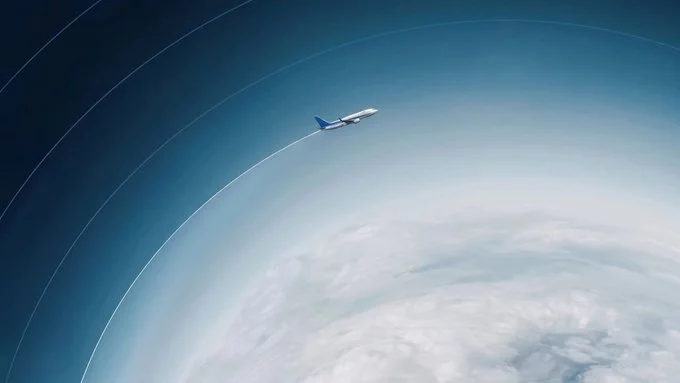
Contrails are line-shaped clouds formed when aircraft fly through cold, humid air. While they may appear as harmless streaks across the sky, these thin clouds have a significant warming effect on our planet. Unlike carbon dioxide, which traps heat for decades, contrails create an immediate but short-lived warming impact by trapping heat in the atmosphere.
The science is straightforward: contrails act like a blanket, preventing heat from escaping back into space. This trapping effect contributes to global warming, adding to the overall warming caused by other aviation emissions. The problem is compounded by the fact that contrails can persist for hours and spread into extensive cirrus clouds, expanding their coverage and increasing their warming potential.
Addressing this issue requires a clear understanding of when and where contrails form, as well as the conditions that make them worse. This knowledge is essential for developing effective mitigation strategies.
To tackle this challenge, Google is partnering with the UK government to deploy artificial intelligence in a targeted way. The collaboration focuses on using AI to predict where contrails will form with greater accuracy than traditional weather models. By analyzing satellite data, weather patterns, and flight information, the system can identify atmospheric conditions ripe for contrail creation.
Once these zones are identified, the AI suggests specific, minor flight altitude adjustments to pilots. These adjustments are designed to help aircraft avoid the moisture-rich air pockets where contrails form, effectively preventing their creation from the outset. The goal is to offer a practical, data-driven tool that integrates seamlessly into existing flight planning, minimizing disruption while maximizing environmental benefit.
The technology is not confined to simulations. It is being tested in real-world flights, with pilots receiving specific guidance to change altitude and reduce contrail formation. This operational testing is crucial for validating the AI’s recommendations in live airspace. During these flights, the system analyzes atmospheric conditions and suggests optimal flight paths that minimize climate impact while maintaining safety and efficiency.
Key aspects of the current testing phase include:
This hands-on approach helps refine the algorithms and ensures the system is practical for everyday airline operations, moving from concept toward viable, real-world deployment in the aviation industry.
If the AI-powered system proves successful in trials, the initiative aims to significantly cut aviation's climate impact. Because contrails are responsible for a substantial portion of aviation's warming effect—comparable to the carbon dioxide emissions from aircraft fuel—eliminating them could offer a rapid and relatively inexpensive way to reduce the sector's total climate footprint. The potential for widespread adoption is significant, as the technology can be integrated into existing flight planning systems used by airlines worldwide. This scalability means that a successful pilot program could quickly expand to many major carriers and routes, multiplying the environmental benefits. The future of this approach depends on validating the AI’s accuracy in real-world conditions and demonstrating that the fuel cost of minor route changes is outweighed by the climate gains. If these hurdles are cleared, this method could become a standard practice in aviation, complementing longer-term efforts to develop sustainable fuels and more efficient engines.










Comment