Google’s AI Ambitions Hinge on User Trust and Data Access
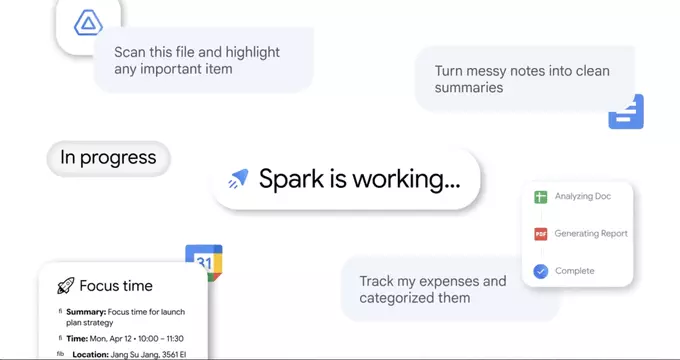
Google has big promises for its AI-powered future — and a lot of it depends on your trust. At Google I/O 2026, the company unveiled a suite of new tools designed to make life easier, but each one requires unprecedented access to your personal information. Gemini Spark, Google’s always-on AI agent, can organize events, while Daily Brief offers a rundown of your day. Gmail’s AI inbox now generates custom to-do lists and drafts replies based on your emails. These features are genuinely useful, but they run on an AI engine that consumes a trove of personal data.
Unlike competitors like OpenAI, Microsoft, and Anthropic, which let you connect external apps, Gemini’s advantage lies in its deep integration with Google’s ecosystem — accessible through a simple opt-in menu. This makes it a powerful yet potentially invasive tool in the AI race.
How Gemini Spark and Personal Intelligence Reshape Privacy
Deep Integration with Google Workspace
Google first dipped into personalization in 2024, integrating Gemini into Workspace apps like Gmail, Docs, Sheets, and Drive. The chatbot can sift through files, draft emails, and use your data for research. The Deep Research feature even taps into emails, Drive, and chats as sources for reports.
Personal Intelligence: Always-On Data Access
In January 2026, Google introduced Personal Intelligence, a feature that allows Gemini to reason across Gmail, Google Photos, Search, and YouTube history without prompting. It automatically surfaces details to personalize responses. Josh Woodward, head of Google Labs, noted that millions use it daily for product recommendations, trip planning, and life decisions like career changes.
Gemini Spark: The 24/7 AI Personal Assistant
Gemini Spark is pitched as an always-on assistant that works across connected Workspace apps. It creates study guides, generates to-do lists from meeting notes, and scans credit card statements for hidden fees. Beyond Google’s ecosystem, it plugs into third-party services like Canva, OpenTable, Instacart, Spotify, Expedia, and Adobe.
Local File Access and Security Risks
Google plans to give Gemini Spark access to local files on Mac computers, similar to the open-source AI agent platform OpenClaw, which poses security risks. During an I/O demo, Woodward used Spark to craft an email using his dogs’ allergies and vaccination records from local documents. Many users may draw the line at granting an AI system full computer access.
The Trust Boundary: Where Do Users Draw the Line?
The rise of AI agents like OpenClaw shows that AI is moving from novelty to a productivity tool that demands access to our digital lives. The key question is whether users trust the companies behind these systems enough to hand over personal data — and where they will set boundaries on privacy.
Google’s AI future hinges on people opting into these integrations. Daily Brief, rolling out to AI Plus, Pro, and Ultra subscribers, scans Gmail and Calendar for updates. As AI becomes more embedded in daily routines, the balance between convenience and privacy will define the next era of technology.










Array