Alerts

-
5 minutes, 34 seconds
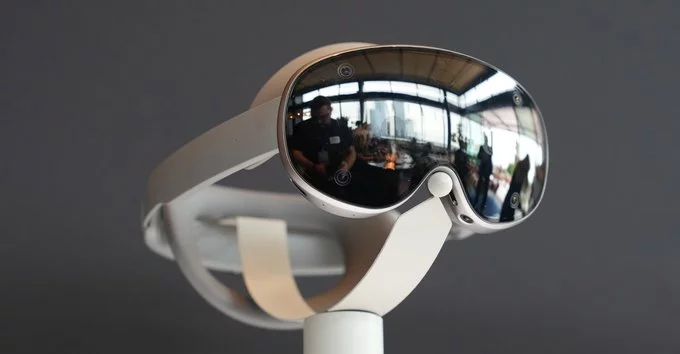
Galaxy XR headset users can now transform traditional 2D apps into immersive 3D experiences thanks to a new experimental feature called auto-spatialization. This update answers a common question: can regular apps feel like virtual reality without redesigning them? The answer is yes. By automatically adding depth and spatial layers, the feature brings a new dimension to apps you already use—without requiring developers to rebuild them from scratch.
Auto-spatialization is a software-driven feature designed to reinterpret flat, 2D app interfaces and display them in a 3D environment. Instead of appearing as a simple floating screen, apps gain depth, layering, and positioning within a virtual space. This creates a more natural and immersive experience, similar to interacting with objects in the real world.
The feature works by analyzing app elements like buttons, menus, and content layers, then assigning them spatial depth. This means users can look around, focus on different parts of the interface, and feel a sense of presence rather than just viewing a screen.
One of the biggest advantages of this update is that it doesn’t require new apps. Existing 2D applications—such as productivity tools, streaming platforms, and web browsers—can instantly benefit from spatial upgrades.
For example, watching videos becomes more cinematic as content appears within a virtual environment. Productivity apps gain layered workspaces, making multitasking easier and more intuitive. Even simple browsing feels more engaging when tabs and windows exist in a 3D layout around you.
This approach lowers the barrier to entry for immersive computing. Instead of waiting for developers to create fully native 3D apps, users can immediately experience enhanced versions of what they already use.
One of the biggest challenges facing extended reality devices has been limited content. Many users hesitate to adopt XR technology because there aren’t enough compelling apps built specifically for it.
Auto-spatialization changes that dynamic. By converting 2D apps into 3D experiences automatically, the Galaxy XR headset dramatically expands its usable ecosystem overnight. This makes the device more practical, especially for users who want both entertainment and productivity in one place.
It also signals a shift in how XR platforms may evolve. Instead of relying entirely on developers, platforms can use AI-driven tools to bridge the gap between old and new formats.
While the feature is still labeled experimental, early impressions suggest it runs smoothly on the Galaxy XR headset. The system dynamically adjusts depth and positioning without noticeable lag, ensuring a comfortable experience.
However, not all apps will translate perfectly. Some interfaces may feel cluttered or awkward when converted into 3D space. Developers may still need to optimize their apps over time to fully take advantage of spatial computing.
That said, the current implementation already delivers a noticeable improvement in immersion, especially for media consumption and multitasking scenarios.
The introduction of auto-spatialization points to a future where the line between 2D and 3D computing disappears. Instead of thinking about apps as flat screens, users may begin to expect everything to exist within a spatial environment.
This could influence how software is designed moving forward. Developers might start building apps with flexible layouts that adapt seamlessly between traditional screens and immersive headsets.
For users, this means more intuitive interactions, better multitasking, and a richer digital experience overall.
Galaxy XR’s ability to turn 2D apps into 3D experiences is more than just a feature—it’s a glimpse into the next phase of computing. By making immersive technology accessible without requiring new apps, it removes a major barrier to adoption.
As the feature continues to evolve, it could redefine how people work, watch, and interact in virtual spaces. For now, it’s an exciting step toward making XR a part of everyday life rather than a niche technology.










Comment