
Alerts
-
3 minutes, 26 seconds
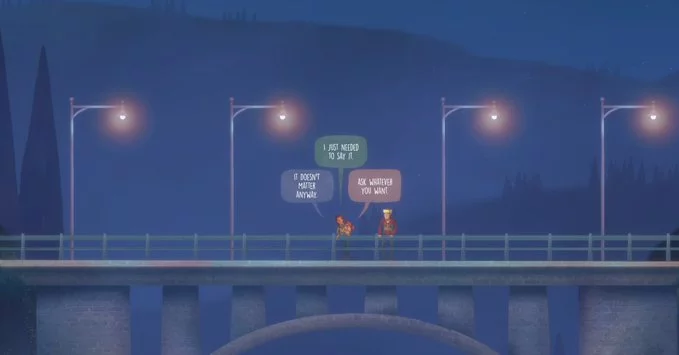
Netflix is shutting down two of its internal game development studios, Night School Studio and Moonloot Games, as part of a strategic shift in its gaming division. The move signals a decisive change in how the streaming giant approaches interactive entertainment, moving away from the traditional model of building and sustaining multiple in-house development teams.
Night School Studio, known for the acclaimed narrative adventure Oxenfree, was acquired by Netflix in 2021 and became a cornerstone of its initial gaming ambitions. Moonloot Games, formerly known as Boss Fight Entertainment, was also brought under the Netflix umbrella to develop original mobile titles. Their closure reflects a broader reassessment of which projects align with Netflix’s long-term goals. According to the source, this decision is not a reflection of the teams’ performance but rather a deliberate reallocation of resources toward a new, more focused gaming strategy.
In a strategic pivot, Netflix is now concentrating its development efforts on TV-based party games, a category the company views as both cheaper and quicker to develop than the ambitious, narrative-driven titles previously in production. This shift reflects a pragmatic approach to its gaming catalog, prioritizing games that are easy for subscribers to pick up and play on their existing television hardware, rather than competing head-to-head with high-budget console or mobile exclusives.
This new direction means fewer resources are allocated to large-scale, multi-year projects. Instead, the focus is on titles that can be produced with smaller teams and shorter timelines, allowing Netflix to iterate rapidly and test multiple concepts with its audience. The company’s leadership has explicitly stated that this model is more sustainable for its current subscriber base, aligning game development costs with the relatively modest engagement metrics seen on the platform. By lowering the barrier to entry for both developers and players, Netflix aims to build a library of social, accessible games that complement its core streaming service, rather than trying to replicate the blockbuster model of traditional game publishers.
The immediate fallout lands on Night School Studio and Moonloot, whose in-development projects are now in limbo. Night School’s acclaimed narrative titles, Oxenfree and Afterparty, won’t receive direct sequels from this team, as the studio’s focus shifts entirely away from new single-player experiences. Moonloot’s upcoming games, which were previously unannounced, are also cancelled or indefinitely paused, leaving their creative leads without a clear production path.
For staff, the closure doesn’t automatically mean unemployment. Some employees may relocate to other Netflix-owned teams, though the company hasn’t specified which roles or how many positions are eligible. This uncertainty is compounded by the fact that neither studio’s existing catalog—including the critically praised Oxenfree—will receive ongoing support or new content. The decision signals a hard pivot away from the narrative adventure genre that defined both studios, prioritizing instead the new TV-based party games initiative. For fans, the legacy remains, but the pipeline of future projects from these teams has effectively ended.
The recent closures of its Team Blue and a second studio mark a decisive shift in Netflix’s approach, moving away from the high-cost, long-cycle development of original AAA titles. This follows earlier closures and changes, indicating a pivot in Netflix’s gaming strategy. Instead of competing head-on with traditional console and PC giants, the company is now focusing its resources on a more accessible, socially integrated model. The emphasis has clearly turned toward TV-based party games, which leverage the company’s existing streaming infrastructure and its vast library of popular intellectual property. This new direction allows for quicker development cycles, lower financial risk, and a more direct connection with the subscriber base who already use the platform for entertainment. By stepping back from the ambitious but resource-heavy studio model, Netflix appears to be consolidating its gaming efforts into a feature that complements, rather than competes with, its core streaming service, betting that interactive group experiences will drive greater engagement and retention.










Comment