
Alerts
-
2 minutes, 57 seconds
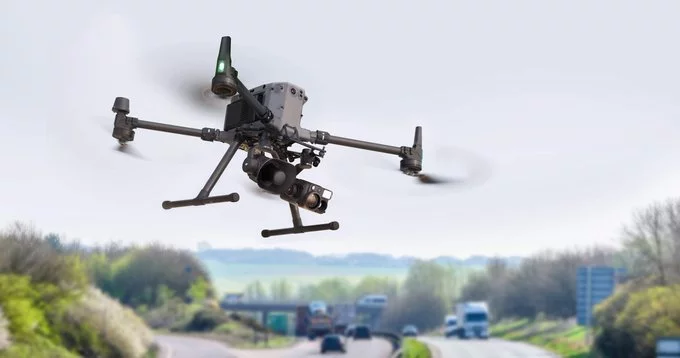
President Donald Trump has declared a sweeping 100 percent tariff on imports of drones with thermal cameras and drones weighing over 25kg (57 pounds), as well as on any kind of part for any unmanned aircraft over that weight. For all other drones, including tiny sub-250-gram "Mini" consumer drones, he has declared a 25 percent tariff. This action targets existing drone imports and parts, aiming to make them cost significantly more for U.S. buyers.
The tariffs also include specific rates for certain allies: the EU, Japan, Liechtenstein, South Korea, Switzerland, and Taiwan receive a lower rate of 15 percent, while the UK gets a 10 percent rate, provided that substantially all hardware, software, and technology originates from within those countries and the United States. These new duties come on top of the existing ban on future foreign drones, signaling an aggressive push to reshape the U.S. drone market and reduce reliance on foreign manufacturers.
In typical Trump fashion, these tariffs include a significant loophole: if a company commits to manufacturing some of their drones or aircraft parts in the United States, they can avoid paying the tariffs entirely. This mirrors similar deals suggested when he previously threatened a 100 percent tariff on computer chips.
Beyond the US manufacturing commitment, the tariff rates are not uniform. The EU, Japan, Liechtenstein, South Korea, Switzerland, and Taiwan are granted a reduced rate of 15 percent. The UK receives an even lower rate of 10 percent. However, these lower rates are conditional, applying only "provided that substantially all hardware, software, and technology originates from within these countries and the United States." This stipulation means that to qualify for the reduced tariffs, the core components and intellectual property of the drones must be sourced from these specific allied nations or the US itself, rather than from other global supply chains.
The stated reasons for the new tariffs center on national security and economic dependence. According to the presidential action, many U.S. commercial manufacturers that produce UAS domestically are highly dependent on foreign sources for critical components such as motors, electronic speed controllers, lithium-ion batteries, and docking stations. This reliance, the administration argues, creates unacceptable national security vulnerabilities.
Additionally, the tariffs address information technology security risks. Certain products pose a risk because their software allows data to be sent back to the manufacturer in a foreign country. This data transmission is a key concern for the administration.
Finally, the action cites concerns about the dependence of U.S. manufacturers. The combination of these factors—supply chain vulnerabilities, data security risks, and manufacturing dependence—forms the official justification for the sweeping tariffs on drone imports and aircraft parts.
These tariffs build on a series of prior actions. The United States has already banned future foreign drones from entering the country, as well as routers, robots, and Roombas. Now, President Trump is targeting existing drone imports and parts, aiming to make them significantly more expensive.
The structure of the tariffs is designed to pressure companies into shifting production. A key feature is a large loophole: if a company commits to making some of their drones or aircraft parts in the United States, they can avoid paying the tariffs entirely. This strategy mirrors the approach used when Trump threatened a 100 percent tariff on computer chips last year, suggesting he would make similar deals. The goal is to incentivize domestic manufacturing by making imports financially prohibitive, a tactic that could reshape supply chains for drones and their components.








Comment