Alerts

-
3 minutes, 32 seconds
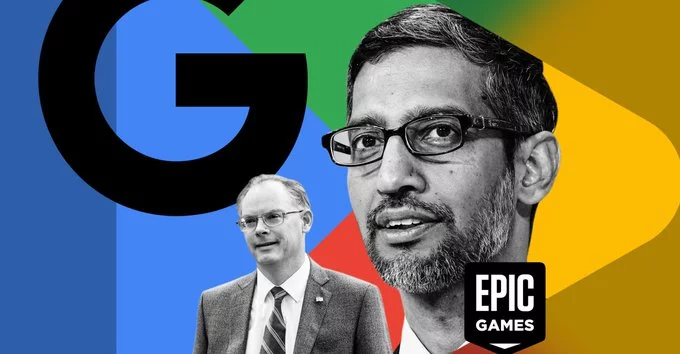
In a scathing ruling, U.S. District Judge James Donato accused Google of engineering what he termed “anticompetitive friction” within its Android ecosystem. The judge specifically pointed to the company’s high transaction fees and restrictive policies as deliberate barriers that harm both developers and competition. According to the court, Google’s Play Store billing requirements forced developers to pay a 15% to 30% commission, while simultaneously prohibiting them from directing users to cheaper alternative payment options. Judge Donato argued these practices were not neutral business decisions but rather tactics designed to maintain a monopoly and suppress rival app stores.
“Google’s conduct created a thicket of obstacles that made it nearly impossible for developers to compete fairly,” the ruling stated. The judge emphasized that these fees were “supracompetitive” and that the restrictive policies served no legitimate purpose other than to entrench Google’s dominance. By locking developers into its own payment system and penalizing those who sought alternatives, Google effectively taxed innovation and limited consumer choice. The court concluded that such friction was a deliberate strategy, not an incidental byproduct, reinforcing the broader finding of illegal monopolization.
In a decisive outcome, the court ruled in favor of Epic Games, finding that Google had violated antitrust laws by maintaining an illegal monopoly. The verdict, delivered by Judge James Donato, centered on Google’s use of anticompetitive deals and restrictive practices that stifled competition in the Android app distribution and payment processing markets.
The court specifically identified that Google’s agreements with device manufacturers and carriers—which required pre-installation of the Google Play Store—and its mandatory use of Google Play Billing for in-app purchases were not merely business strategies but tools for monopoly maintenance. These actions created significant barriers for rivals and prevented developers like Epic from offering alternative payment systems or distribution channels.
This landmark finding confirms that Google’s control over the Android ecosystem went beyond fair competition, directly harming both developers and consumers. The ruling underscores that such exclusionary conduct cannot be shielded by contractual agreements, setting a major precedent in the ongoing scrutiny of tech platform power.
Google attempted to justify its conduct by citing security and user experience benefits. The court, however, rejected these justifications as insufficient to excuse the anticompetitive behavior. Judge Donato found that while these rationales may have some surface appeal, they did not outweigh the significant harm to competition. The Epic v. Google ruling determined that the company’s actions created “anticompetitive friction” that went far beyond any legitimate business need. Specifically, the court noted that Google could have achieved its security and user experience goals through less restrictive means. By failing to do so, the company prioritized maintaining its monopoly over delivering a better product or protecting users. The judge’s rejection of these defenses was a critical step in establishing liability, clearing the path for the subsequent discussion of remedies and next steps. The court’s analysis underscored that convenience cannot be used as a shield for unlawful market control.
The court is now weighing concrete remedies to dismantle Google’s anticompetitive grip on the Android ecosystem. Proposed measures include forcing the company to allow alternative app stores and third-party payment systems to operate alongside Google Play, removing the “anticompetitive friction” identified in the ruling. These remedies aim to restore genuine choice for developers and consumers, directly addressing the barriers that the court found stifled competition.
A hearing is scheduled for August to determine the final scope and implementation timeline of these changes. During this session, the court will consider practical details, such as how alternative stores will be distributed and what technical support Google must provide. The outcome will likely reshape how Android apps are accessed and monetized, potentially setting a precedent for digital marketplaces beyond gaming. While Google has not yet publicly outlined its compliance strategy, the August hearing marks a critical milestone in translating the judicial findings into enforceable action, with significant implications for the broader tech industry.










Comment