Alerts

-
2 minutes, 42 seconds
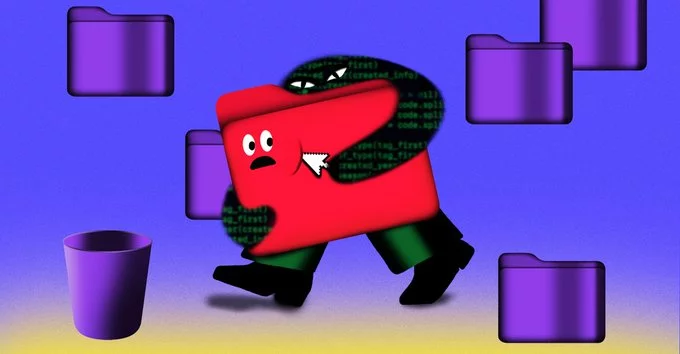
A Florida man has been arrested for allegedly stealing over $200,000 in cryptocurrency using malware hidden inside a Steam game. This case highlights a growing threat: crypto-stealing malware disguised as popular video games. Let's break down how the scam worked and how you can protect your digital assets.
The suspect reportedly created a fake game on Steam that contained malicious software. When unsuspecting users downloaded and ran the game, the malware silently stole their cryptocurrency wallet credentials. This type of attack is known as a crypto malware attack or crypto-stealing malware.
Steam is one of the largest gaming platforms in the world, with millions of active users. Scammers exploit this trust by creating fake games or mods that appear legitimate. The Florida crypto theft arrest shows that even well-known platforms are not immune to such threats.
To avoid becoming a victim of crypto malware scams, follow these practical tips:
Stick to official platforms like Steam, Epic Games, or the game developer's website. Avoid downloading games from unknown links or third-party sites.
Hardware wallets store your private keys offline, making them immune to most malware attacks. Never share your seed phrase or private keys online.
Install reliable antivirus software and keep your operating system up to date. Regular scans can detect and block crypto-stealing malware.
Use 2FA on all crypto exchange accounts and wallets. This adds an extra layer of security even if your credentials are stolen.
Check your crypto wallet and exchange accounts frequently for unauthorized transactions. Early detection can help limit losses.
The Florida man crypto theft arrest serves as a wake-up call. As cryptocurrency adoption grows, so do scams. Law enforcement is increasingly cracking down on such crimes, but prevention is always better than cure. Always verify the authenticity of any software before installation, especially when it involves your digital assets.
Staying safe in the crypto world requires constant vigilance. By understanding how Steam game malware works and following basic security practices, you can significantly reduce your risk. Remember: if a deal or game seems too good to be true, it probably is. Protect your crypto like you protect your cash.









Comment