Alerts

-
2 minutes, 55 seconds
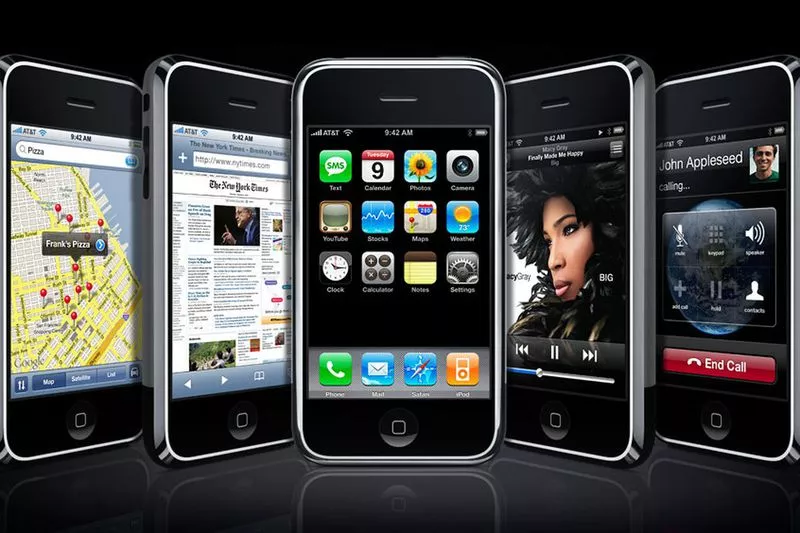
The original iPhone loses its last cellular network as T-Mobile kills 2G service, marking the end of an era for Apple's groundbreaking first smartphone. As of Monday, August 3, 2026, T-Mobile has officially retired its 2G GSM network, meaning all three major U.S. carriers have now ended 2G support. If you still own a first-generation iPhone, you can no longer make calls, send texts, or use cellular data on any major American network.
T-Mobile's decision to shut down its 2G network is part of a broader industry move to free up spectrum for faster 4G and 5G services. Carriers have been phasing out older technologies for years, and 2G has become outdated and inefficient. By repurposing those frequencies, T-Mobile can improve network speed and coverage for modern smartphones.
AT&T shut down its 2G network back in 2017, and Verizon followed by ending 2G CDMA services in 2020. Now, T-Mobile's shutdown means that no major U.S. carrier offers 2G service anymore. This is a significant milestone for the wireless industry, but it leaves owners of older devices, like the original iPhone, without a cellular lifeline.
If you have a first-generation iPhone, you may still be able to use it over Wi-Fi for certain features like web browsing and email, but you cannot use it as a phone. Here are some things to consider:
Yes, but only as a Wi-Fi-only device. You can still browse the internet, check email, and use certain apps if they are compatible with iOS 3.1.3 (the final version for the original iPhone). However, you won't be able to use it as a phone or send SMS messages.
If you rely on an older phone, you may need to upgrade to a newer device that supports 4G or 5G networks. Fortunately, there are many affordable options available. Here are a few tips:
The original iPhone, launched in 2007, revolutionized the smartphone industry. It introduced the multi-touch interface and paved the way for the modern mobile ecosystem. Although it has lost its last cellular network, its impact on technology cannot be overstated. For many, it remains a nostalgic piece of history.
In summary, the original iPhone loses its last cellular network as T-Mobile kills 2G, bringing an end to an era. While this is a sad day for enthusiasts, it also marks progress in mobile technology. If you own an original iPhone, consider preserving it as a collectible or using it as a Wi-Fi media player. For everyday communication, upgrading to a modern smartphone is the best course of action.

3.6K articles

2.8K articles

1.6K articles

34 articles










Comment