
Alerts
-
2 minutes, 51 seconds
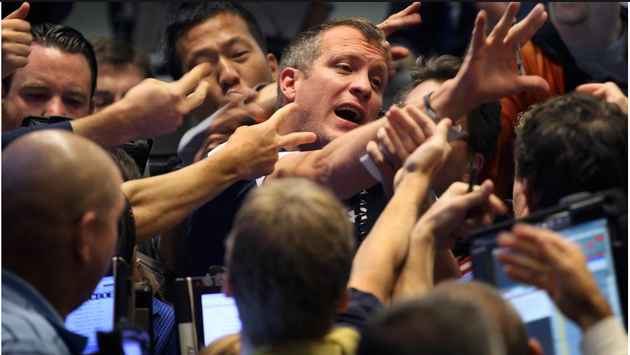
“Fear is expensive” captures one of the biggest truths in behavioral finance — emotions, not markets, often cost investors the most. According to psychiatrists, fear triggers the brain’s survival system, hijacking rational thinking and pushing people toward panic-driven decisions. When markets crash or fluctuate, the emotional brain reacts first, and the rational brain struggles to catch up. The key to beating market anxiety is recognizing this biological lag — and learning to pause before reacting.
A simple but powerful step in overcoming market anxiety is to create distance between your emotions and your actions. Take a moment to pause, breathe, and let your rational mind engage before making any financial move. Psychiatrist experts recommend checking your physical and mental state first — much like you wouldn’t shop for groceries when hungry. Lack of sleep, high stress, or exhaustion can all impair judgment, leading to costly investment errors fueled by emotion instead of logic.
Just as good investments compound over time, so do emotional mistakes. One reactionary decision can derail years of progress. Fear leads to selling too soon, while greed often fuels buying too late. These compounding emotional errors are what make fear truly expensive. Psychiatrists urge investors to treat emotional discipline like financial security — a personal firewall protecting your portfolio from impulsive decisions. Awareness, reflection, and consistency are your best defenses.
To truly beat market anxiety, build resilience before the next downturn hits. Ask yourself: Am I rested, informed, and grounded before making a move? Develop habits that center your body and mind — from mindfulness to exercise — because your nervous system is the hardware behind every decision. As author George Goodman once said, “If you don’t know who you are, the stock market is an expensive place to find out.” The calmer you are, the smarter you’ll invest — and the cheaper fear becomes.










Comment