Alerts

-
3 minutes, 20 seconds
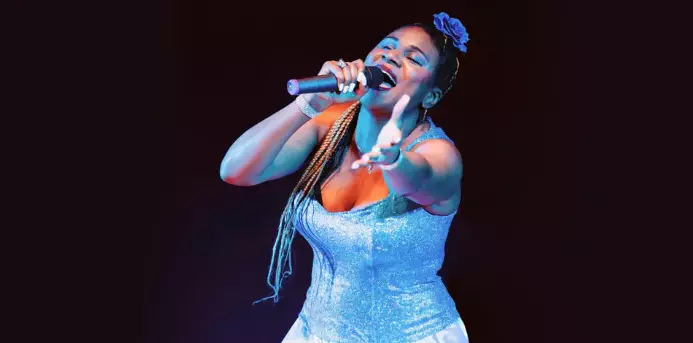
Lachi knows exactly who she made this album for, because she was once that child. “I wanted to create the album I needed when I was eight, the album my parents needed, to help me find confidence and not feel like such a broken toy,” she says. “When I was eight, I was listening to pop radio. So really, I wanted an album that did not infantilize disability and also did not infantilize an eight year old.”
That refusal to talk down to anyone runs through Magnificent, released through Platoon Kids. Lachi is a blind and neurodivergent entrepreneur of colour, author of I Identify as Blind, and founder of RAMPD, or Recording Artists and Music Professionals with Disabilities, through which she has pushed the music industry to recognize disabled and neurodivergent people as artists and professionals shaping culture.
For her, authorship is inseparable from that work. “I’ve inherited warped stories about my identity that I did not shape,” she says, describing her dedication to shaping “a narrative full of liberation, celebration, role-models, and collective swagger.”
Magnificent is an anthemic pop record released through Platoon Kids, built around disability culture, identity and pride. It brings together more than 70 collaborators across disability communities, cultures, genres and generations.
Across 10 songs, Grammy-winning musicians appear alongside disability advocates, educators, poets, activists and public figures. The project sounds less interested in explaining disability to an outside audience than in giving disabled children something many of its creators never had themselves: music that assumes they already belong.
“I wanted to create the album I needed when I was eight, the album my parents needed, to help me find confidence and not feel like such a broken toy,” Lachi says. The distinction runs through Magnificent, which aims to reconsider who gets to create the language, characters and emotional framework through which children first encounter disability.
Lachi partnered with CEL’s The Nora Project to develop a curriculum connected to Magnificent, allowing students to move beyond listening and into conversations about disability, identity and community. As Jordyn Zimmerman of the Center for Enriched Living explains, students come to this learning through the songs, storytelling, emotions and perspectives of all the disabled collaborators.
For rapper and former teacher Mega Ran, pairing music with education changes what a song can do. “Music can open up the door, but the curriculum is what walks the kid through it,” he says.
Collaborators describe how disabled authorship reshapes the work. Mandy Harvey’s “Emoji of the Heart” centers ASL and Deaf pride. Lisa Loeb found recording “I Like Me” opened a freer creative structure. Matthew Whitaker says that when disabled artists tell these stories, “the truth is already in the room.” Disability organizer Dom Kelly adds that normalizing disability through music and art helps change the narrative and, ultimately, policy.
Children are already learning what disability means, whether adults teach them or not. They learn from which classmates are separated from their classrooms, which bodies appear in media, and whose differences are discussed openly versus whispered about. Non-disabled children absorb those same stories and carry them into classrooms, friendships, hiring decisions and design choices decades later.
That is why authorship, not just representation, matters here. As Jordyn Zimmerman puts it, disabled people have long been the subjects of content rather than its authors. When disabled artists write from shared experience, as Matthew Whitaker describes on “Ask Me,” the story stops being about pity or inspiration and simply gets honest: no explaining, no translating.
Dom Kelly links this culture directly to policy. Changing how society views disability, he argues, permeates to lawmakers and decision-makers. The eight-year-olds listening today become the educators, doctors, policymakers and leaders of tomorrow — which is why Magnificent imagines disabled artists authoring culture without first explaining themselves.







Comment