Alerts

-
2 minutes, 45 seconds
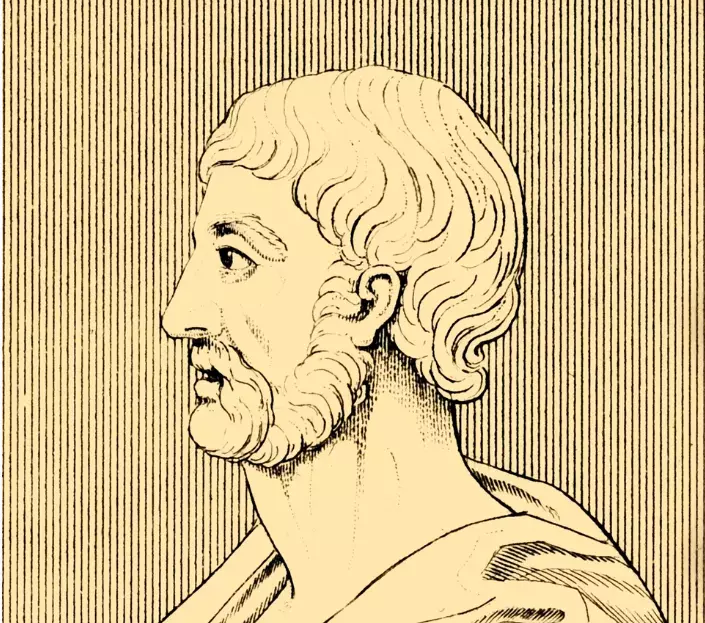
This week's emotional intelligence quote comes from the Stoic philosopher Seneca. He wrote to his friend Lucilius, who was worrying about a danger that hadn't arrived and might never arrive. Seneca's advice? Don't be unhappy before the crisis comes. Most of what we fear never happens. This is now called pessimism bias—our tendency to assume the worst, even when the evidence says otherwise.
Research from Penn State supports Seneca's insight. Scientists Lucas LaFreniere and Michelle Newman tracked people with generalized anxiety and found that 91.4% of their worries never came true. An earlier study showed that even when worries did happen, they were easier to handle than expected. Your brain treats a negative future as if it has already happened. That instinct helped our ancestors prepare for predators, but today it makes us panic over an email from a boss.
Emotional intelligence (EI) is your ability to recognize, understand, and manage your own emotions and the emotions of others. It has four core skills:
In this case, Seneca saw a breakdown in self-awareness. Lucilius couldn't separate his imagined worst-case scenario from what was likely to happen. With better self-awareness, you can spot negative emotions like anxiety and panic, and then see that there's a gap between how you feel and what will actually happen. Self-awareness is the foundation of emotional intelligence. To improve it, psychologists recommend taking a validated emotional intelligence self-assessment.
Imagine you're lying in bed at 11 p.m., unable to sleep because you're replaying a hard conversation you need to have with your teenager tomorrow. You imagine her furious, your relationship strained for months. You picture the fight, the blowback, the awkward silence. Then, you have the actual conversation—and it's much calmer, shorter, and kinder than your mind built it up to be. She gets angry, but she sees your side. By next week, things are normal. But you lost two nights of sleep and spent massive emotional energy worrying about something that never happened.
Seneca's remedy—applying logic to your emotions—works in theory but is tough to execute. A simple strategy is to write out your fears. Once they're on paper, they feel less overwhelming. Over time, as more than 91% of your fears never come true, you'll see that pattern in your notebook. This helps you feel less dread the next time anxiety strikes.
Seneca's insight holds up because the underlying pattern hasn't changed in two thousand years. Most of what we dread never arrives, and the dread itself is often the only real cost. By naming this bias and noticing you're anticipating an unarrived sorrow, you can loosen its grip. Learn to catch the story your mind is inventing, and you'll win the present moment back for your own enjoyment.










Comment