
Alerts
-
2 minutes, 2 seconds
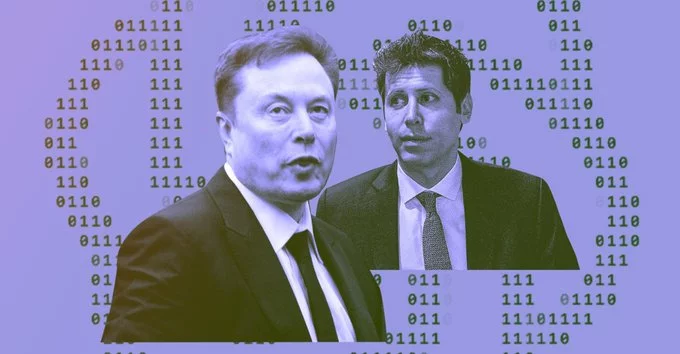
In a closely watched legal dispute, Elon Musk lost his case against Sam Altman, the CEO of OpenAI. The court ruled against Musk's claims, marking a significant moment in the ongoing rivalry between two of the most influential figures in artificial intelligence. This article breaks down what happened, why it matters, and what it means for the future of AI development.
Elon Musk, a co-founder of OpenAI, filed a lawsuit against Sam Altman and OpenAI, alleging that the company had strayed from its original non-profit mission. Musk claimed that OpenAI, under Altman's leadership, prioritized profits over public benefit, especially after its partnership with Microsoft. The lawsuit centered on breach of contract and fiduciary duty.
The judge dismissed Musk's case, stating that the claims lacked sufficient evidence. The court highlighted that OpenAI had legally transitioned from a non-profit to a capped-profit model, and Musk had agreed to these changes during his involvement. This legal loss for Musk underscores the challenges of enforcing corporate mission statements in fast-moving tech industries.
This legal outcome sets a precedent for future disputes between tech founders and their companies. For investors and startups, it signals that business model changes are generally protected if done transparently. For the public, it raises questions about accountability in AI development. OpenAI continues to lead in generative AI with products like ChatGPT, while Musk's xAI competes with its Grok model.
If you're following AI news, this case teaches three things: First, always read the fine print in partnership agreements. Second, understand that tech companies evolve quickly. Third, watch how regulatory bodies respond to such disputes—they may shape future laws on AI ethics and corporate responsibility.
In summary, Elon Musk lost his case against Sam Altman, but the debate over AI's direction is far from over. Both leaders continue to push boundaries, and the world will be watching their next moves.










Comment