Alerts

-
4 minutes, 4 seconds
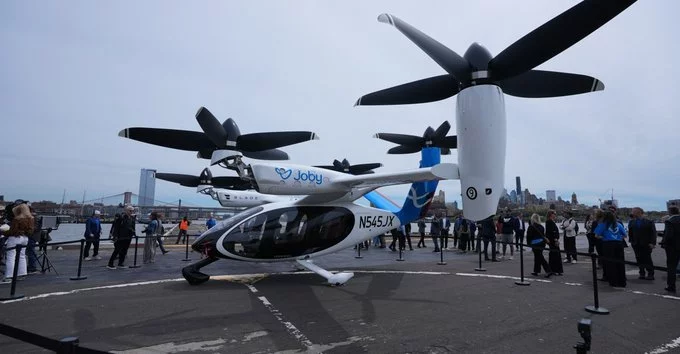
Electric air taxis are finally taking flight — just not with passengers. These futuristic aircraft, designed to carry people across cities without traffic, are now being tested in real-world conditions. But for now, they’re flying empty. The main goal is to prove safety, reliability, and air traffic integration before paying customers can board.
Electric air taxis are small, battery-powered aircraft that take off and land vertically (like a helicopter). They’re often called eVTOLs (electric vertical takeoff and landing vehicles). Companies like Joby Aviation, Archer Aviation, and Lilium are leading the charge. These vehicles promise quiet, emission-free flights over congested cities.
Safety is the biggest reason. Before carrying people, these aircraft must pass strict certification from aviation authorities like the FAA (Federal Aviation Administration) in the U.S. and EASA in Europe. Here’s what’s happening now:
Most experts predict passenger flights will start between 2025 and 2028. Joby Aviation plans to launch commercial service in 2025 with short flights (like airport to downtown). Archer aims for 2025 in cities like Los Angeles and Miami. But delays are common in aviation. Realistically, widespread use might take until 2030.
Imagine a 45-minute car ride turned into a 10-minute flight. Air taxis could transform commuting, reduce traffic, and cut carbon emissions. For example, a trip from Manhattan to JFK Airport could take just 5 minutes by air taxi. Early routes will likely connect airports, business districts, and suburbs.
Despite the excitement, several hurdles remain:
If you live in a big city, air taxis could become part of your daily commute within a decade. For now, keep an eye on test flights and city planning. The technology is real, and the first passenger flights are closer than you think. Just not today.
Electric air taxis are a breakthrough in urban mobility. While they’re not carrying passengers yet, every empty flight brings us closer to a future where flying to work is normal. Stay tuned — the sky is about to get busier.










Comment