Alerts

-
2 minutes, 24 seconds
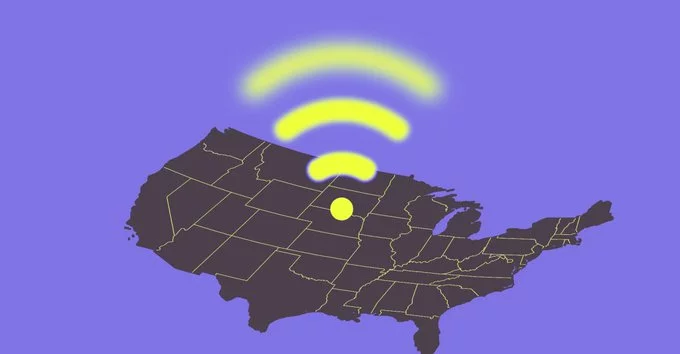
In a surprising move, AT&T, T-Mobile, and Verizon have teamed up to eliminate coverage dead zones across the United States. This unprecedented partnership aims to tackle one of the biggest frustrations for mobile users: dropped calls and slow data in rural areas, basements, and crowded venues. By working together, these rivals are creating a new standard for reliable connectivity.
Instead of competing on coverage, the three carriers are pooling resources to build a shared network of towers and small cells. The goal is simple: make sure you have a signal, no matter where you are. Here’s what changes:
Technically, the carriers are deploying a new technology called multi-operator core network (MOCN). This allows a single tower to serve customers from all three networks. For example, if you’re on Verizon but near a T-Mobile tower, your phone will connect seamlessly. No extra steps or apps required.
Coverage dead zones aren’t just annoying—they can be dangerous. Imagine being stranded on a remote highway with no way to call for help. This partnership prioritizes safety alongside convenience. For business travelers, it means reliable video calls from hotel rooms. For families, it means kids can stream shows on road trips without buffering.
This collaboration is just the first step. The carriers plan to extend the shared network to 5G and eventually 6G. Expect fewer “no service” signs on your phone by the end of 2025. For now, enjoy the gradual rollout—and say goodbye to those frustrating dropped calls.
Stay connected with our blog for updates on when this coverage expansion reaches your area.









Comment