
-
7 minutes, 14 seconds
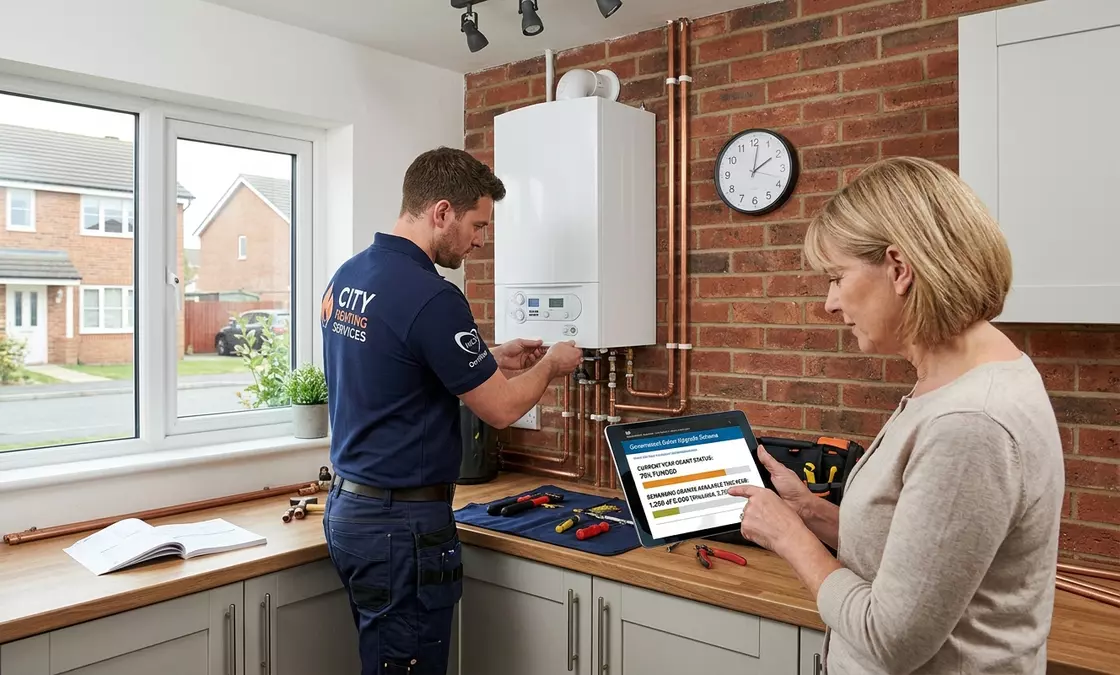
If you’ve been looking into support for upgrading your home heating, you’ve probably come across a common concern: are these grants always available, or can they run out?
It’s a fair question. Many people assume that once a scheme is announced, funding will remain open and accessible. In reality, most boiler upgrade grants operate within set limits, both in terms of budget and time.
Understanding how these limits work can help you avoid delays and missed opportunities.
Most heating upgrade grants in the UK are backed by government funding. This funding isn’t unlimited. Instead, it’s allocated in defined budgets, often spread across several years.
Each scheme is designed with:
Once any of these limits are reached, access to funding may slow down or stop altogether.
That’s why availability can change, even if the scheme itself hasn’t officially ended.
In many cases, yes. Funding is often divided into annual allocations.
This means:
This structure helps manage spending and ensures the scheme runs over multiple years instead of being exhausted too quickly.
However, it also creates competition. If demand is high, available slots can fill faster than expected.
When the yearly allocation is used up, a few different things can happen:
This doesn’t necessarily mean the scheme has ended, it simply means the current budget has been fully committed.
Timing, therefore, becomes an important factor.
Heating upgrades are expensive, and grants can significantly reduce the cost. As a result, demand tends to rise quickly, especially when energy prices increase or new regulations come into focus.
Several factors drive this demand:
When more people apply than expected, funding can be allocated faster than planned.
Not necessarily, but waiting too long can limit your options.
Instead of rushing, a better approach is to prepare early. That way, when funding is available, you’re ready to move forward without delays.
If you’re considering a boiler upgrade grant, a bit of preparation can make a real difference.
Here’s what helps:
Each scheme has specific criteria. Understanding these upfront avoids wasted time.
Installers often need to assess your home before applying. Booking this early can secure your place in the process.
Most schemes require certified professionals. Working with the right installer ensures your application is valid.
Things like your EPC, proof of ownership, or property details may be required.
Funding rules and availability can change. Keeping an eye on updates helps you act at the right time.
This is a common misunderstanding. Meeting the eligibility criteria does not guarantee funding.
Even if you qualify:
So, while eligibility is essential, timing and availability still play a role.
Not exactly. Different programmes have different funding structures.
Some may:
Because of this, it’s worth comparing options rather than relying on a single scheme.
At first glance, limited funding can feel frustrating. But there’s a reason behind it.
Governments set budgets to:
In other words, limits aren’t just restrictions—they’re part of how these programmes are structured to work over time.
Yes, boiler upgrade grants are usually limited each year. Funding is allocated in stages, and once those limits are reached, access may pause until more becomes available, including options like the boiler replacement scheme for over-60s.
That doesn’t mean you need to rush into a decision. Instead, it highlights the importance of timing and preparation.
If you’re thinking about upgrading your heating system, take the time to understand your eligibility, get your home assessed, and stay informed about funding availability. By doing so, you put yourself in a stronger position to benefit when the opportunity is there.
In the end, it’s not just about whether funding exists, it’s about being ready when it does.


7.7K articles

2.5K articles

1.4K articles

34 articles








Comment