Alerts

-
5 minutes, 17 seconds
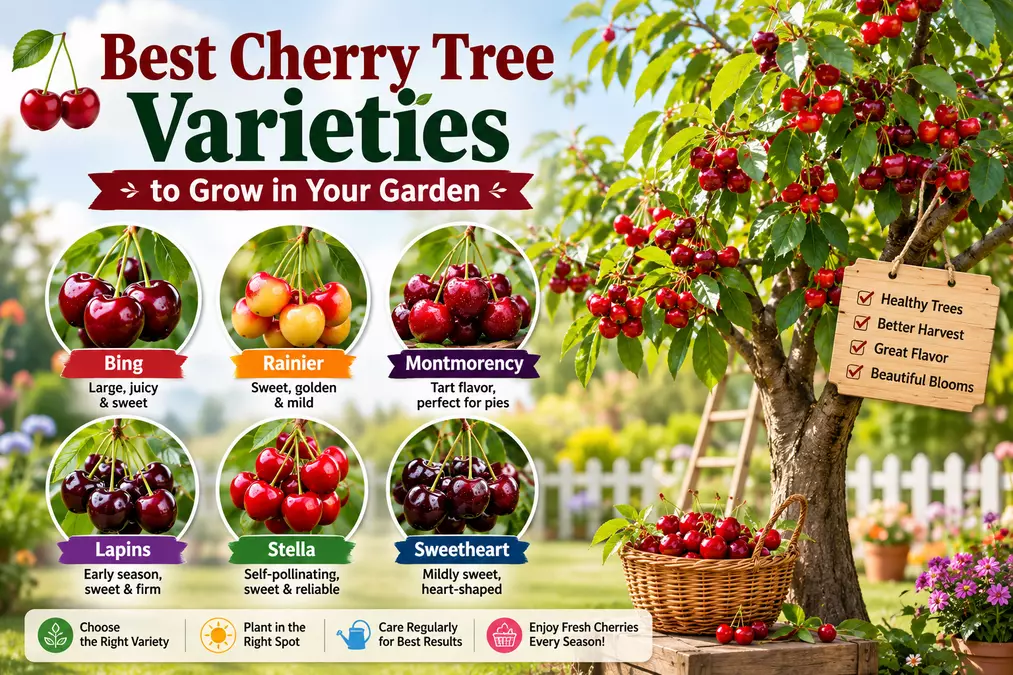
There is nothing quite like walking into your own backyard and picking cherries straight off the tree. Store-bought cherries are great, but growing your own means you get to enjoy fresh fruit the moment it ripens. It also means you get to decide when are cherries in season for your own garden, based on the variety you choose to plant.
If you are thinking about adding a cherry tree to your yard, this guide will walk you through some of the best varieties to grow, along with simple tips to help your tree thrive.
Growing a cherry tree is a rewarding project for any home gardener. Cherry trees are beautiful in spring, with soft pink and white blossoms that cover the branches. Then, as the weather warms up, those blossoms turn into fruit.
One of the best parts of growing your own cherries is that you control the harvest. You do not have to guess when are cherries in season at the store or worry about fruit that has traveled a long way. Instead, you can pick cherries at the exact moment they are ripe, right in your own backyard.
If you love eating cherries fresh, sweet varieties are a great place to start.
Bing is one of the most popular sweet cherry trees for home gardens. It produces large, dark red cherries with a rich, classic cherry flavor. Bing trees need a nearby pollinator tree to produce fruit, so keep that in mind when planning your garden layout.
Rainier is another favorite. This variety produces yellow and red cherries with a sweeter, more delicate taste than Bing. Rainier trees also need a pollinator partner nearby to produce a good harvest.
Stella is a good choice for smaller gardens. Unlike Bing and Rainier, Stella cherry trees are self-pollinating, which means you do not need a second tree nearby. This makes Stella a popular pick for home gardeners who only have room for one cherry tree.
For all of these sweet varieties, knowing when are cherries in season in your specific climate will help you plan when to expect your first harvest.
If you love baking pies, jams, or sauces, a tart cherry tree might be a better fit than a sweet one.
Montmorency is the most common tart cherry variety grown in home gardens. It produces bright red cherries that are too sour to eat raw but perfect for baking. Montmorency trees are also self-pollinating, so a single tree can produce a full harvest on its own.
North Star is a smaller tart cherry tree, which makes it a great option for gardens with limited space. It still produces plenty of fruit for baking, despite its compact size.
Tart cherry trees tend to have a shorter fruiting window than sweet varieties. So once you know when are cherries in season for tart types in your area, plan to harvest quickly, since the peak weeks pass by fast.
Not every cherry tree grows well in every climate. Cherry trees generally need a certain number of cold hours in winter to produce fruit properly. This means gardeners in very warm climates may struggle with some varieties, while those in cold climates need to choose trees that can handle harsh winters.
Before planting, it helps to check which cherry varieties are recommended for your specific growing zone. A local nursery or extension office can guide you toward the best choice for your area, which will also help you understand when are cherries in season once your tree starts producing fruit.
Growing a cherry tree is not overly complicated, but a few basic steps make a big difference.
With the right care, a healthy cherry tree can keep producing fruit for many years, giving you a personal answer to when are cherries in season right in your own backyard every year.
Once your tree starts producing, you will likely have more cherries than you can eat right away. This is a great opportunity to share with neighbors, bake something new, or try preserving cherries for later use.
If you enjoy garden-to-table cooking and want more ideas for using homegrown fruit, the yourhomify community is a friendly place to swap tips with other home gardeners and cooks.
Growing your own cherry tree is a rewarding way to enjoy fresh fruit without relying on the grocery store. Whether you choose a sweet variety like Bing or Rainier, or a tart variety like Montmorency, each type brings its own flavor and harvest timing. Once your tree is established, you will never have to wonder when are cherries in season again, since your own backyard will give you the answer every year.
1. What is the easiest cherry tree to grow at home?
Stella and Montmorency are both good choices for beginners since they are self-pollinating and do not need a second tree nearby.
2. How long does it take for a cherry tree to produce fruit?
Most cherry trees take three to five years after planting before they produce a full harvest.
3. When are cherries in season for homegrown trees?
This depends on the variety and your climate, but most home-grown cherries ripen sometime between late spring and mid-summer.
4. Do all cherry trees need a second tree nearby?
No, some varieties like Stella and Montmorency are self-pollinating, while others like Bing and Rainier need a pollinator partner.
5. How do I protect my cherry tree from birds?
Netting placed over the tree during ripening season is one of the most effective ways to keep birds away from your harvest.



Comment