Alerts

-
3 minutes, 12 seconds
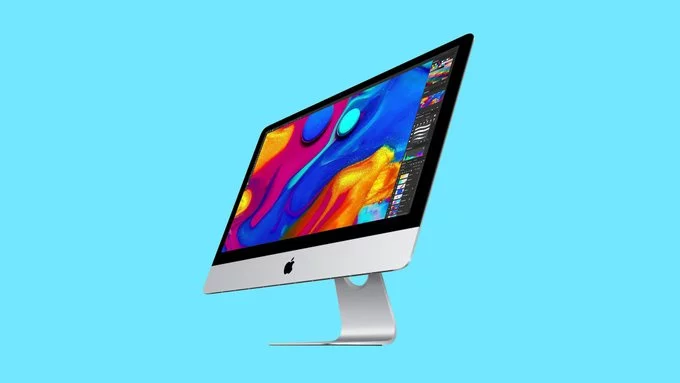
Apple has officially added the last Intel-based 21.5-inch iMac to its vintage products list, closing the book on a machine that served homes, schools, and offices for years. The model in question is the 21.5-inch iMac released in 2019, the final version of that size to ship with an Intel processor before Apple transitioned the line to its own silicon.
For many users, this particular iMac was the default desktop: affordable, compact, and capable enough for everyday work. Its move to vintage status signals that Apple now considers the hardware old enough to wind down standard support.
The milestone is a quiet one, but it marks a real turning point. With this addition, every Intel 21.5-inch iMac now sits on Apple's vintage list, and the era of the small Intel all-in-one has formally ended.
When Apple classifies a device as vintage, it means the product is no longer eligible for standard repairs or service from Apple. In practical terms, owners of the last Intel 21.5-inch iMac can no longer walk into an Apple Store or authorized service provider and expect routine support for the machine.
There is one important caveat. Vintage status does not always mean the end of all service options. Depending on where you live, the device may still qualify for extended service in some regions. This variation exists because local laws and regulations can require manufacturers to keep supporting products for longer periods.
For owners, the takeaway is straightforward: check your region's rules before assuming repairs are impossible. If you are covered, you may still be able to get help. If not, you will need to look to third-party repair shops or consider whether the machine is worth keeping in service at all.
This 21.5-inch iMac was the final Intel-based model in that size before Apple transitioned to its own silicon. That alone gives it a place in the history of the Mac line. For years, the 21.5-inch iMac served as the entry point into Apple's all-in-one desktop range, and this release closed out that era.
The shift to Apple silicon changed the direction of the entire Mac lineup, from performance and power efficiency to the way software is built and optimised. Models that sit right at the boundary between two architectures tend to be remembered, and this iMac sits precisely at that boundary for its size class.
For owners, that context matters in practical terms too. Vintage status signals that official support is winding down, even though the machine may still run perfectly well day to day. Understanding where this model sits in Apple's transition helps explain why it has now reached this milestone.
With this model now vintage, owners may need to consider upgrading or seeking third-party repair options as Apple's support winds down. The 21.5-inch iMac's transition to vintage status signals that the end of the road is approaching for one of the last Intel-based all-in-ones.
For many users, the practical question is simple: keep repairing, or move on? Apple's vintage designation means official service options are limited, so third-party repair shops become the more realistic path for those determined to extend the machine's life. Parts availability, however, will only grow scarcer over time.
Upgrading to a newer Mac—likely an Apple silicon model—offers a more future-proof route, particularly for anyone relying on current macOS features and security updates. Owners weighing this decision should factor in how well their current iMac still meets their needs, and whether the cost of repairs justifies delaying a replacement.
Either way, the message is clear: the era of Intel Macs is winding down, and planning ahead now will save owners from being caught off guard later.










Comment