Alerts

-
3 minutes, 35 seconds
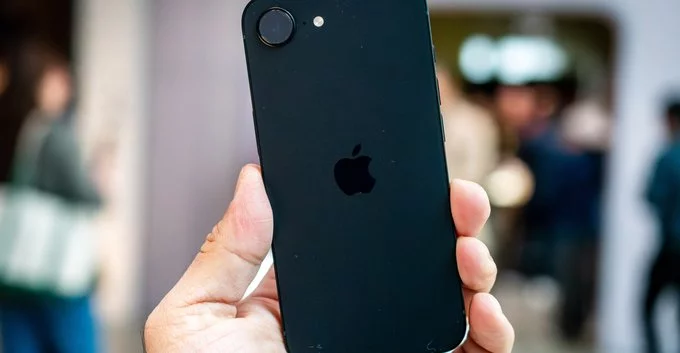
Apple’s iPhone revenue jumped to $57 billion in the latest quarter, proving that demand for the latest devices remains strong even as the global chip shortage continues to disrupt supply chains. This record-breaking performance highlights how Apple has managed to navigate the semiconductor crisis better than many competitors.
The tech giant reported a 5% increase in iPhone sales compared to the same period last year. Despite chip shortages affecting production, Apple’s strategic planning and strong supplier relationships helped keep the iPhone supply steady. The company’s ability to prioritize high-demand models also played a key role.
The global chip shortage has impacted nearly every electronics manufacturer, from carmakers to smartphone brands. However, Apple’s size and purchasing power give it an edge. The company can negotiate better deals and reserve production capacity years in advance.
Smaller companies can learn from Apple’s approach. Building strong relationships with suppliers, diversifying sources, and forecasting demand accurately can help reduce the impact of shortages. While not every business can match Apple’s scale, these strategies still apply at any level.
Apple’s iPhone revenue has fluctuated over the years. The $57 billion figure is one of the highest quarterly results ever. Analysts expect continued growth as the company releases new models and expands into services like Apple Pay and iCloud.
For buyers, the chip shortage may lead to longer wait times for certain iPhone models. But Apple’s strong revenue indicates it will continue investing in new technology and features. If you’re planning to upgrade, ordering early or choosing a less popular color or storage size could help you get your device faster.
Apple’s $57 billion iPhone revenue is a clear sign that the company remains resilient in a challenging market. By managing supply chain risks and meeting consumer demand, Apple continues to lead the smartphone industry. For investors and tech fans, this performance confirms the iPhone’s lasting appeal.










Comment