
Alerts
-
2 minutes, 58 seconds
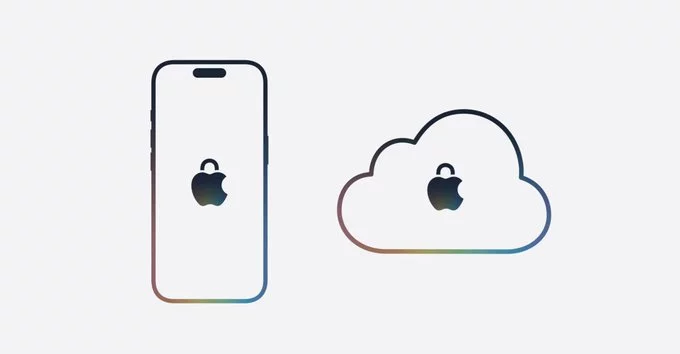
Apple's push into artificial intelligence (AI) hinges on one critical factor: its long-standing promise to protect user privacy. If Apple can deliver powerful AI features without compromising personal data, the company could win over millions of cautious users. But if that trust slips, its entire AI pitch could fall apart. In this article, we break down why Apple’s AI privacy promise is both its biggest strength and its greatest risk, and what it means for you.
Apple has always marketed itself as the privacy-first tech giant. While competitors like Google and Amazon collect data to improve their AI, Apple takes a different approach. It processes most AI tasks directly on your device—a method called on-device AI. This means your photos, messages, and voice commands never leave your iPhone or Mac. For users worried about data leaks, this is a huge relief.
Instead of sending your data to the cloud, Apple’s AI uses the powerful chips inside your device to learn and respond. For example:
This local processing is the heart of Apple’s AI privacy promise. It allows the company to offer smart features without the usual data trade-off.
Apple’s AI pitch is only as strong as its privacy guarantee. If a major data breach or privacy scandal occurs, users could abandon Apple’s AI tools overnight. For instance, if a cloud-based feature accidentally exposes user data, the backlash would be severe. Apple knows this, which is why it constantly audits its systems and refuses to build a user profile for advertising purposes.
Other tech companies take a more open approach. Google and Amazon use cloud AI to offer faster, more personalized results—but at the cost of privacy. They collect data to train their models, which can lead to better recommendations but also raises eyebrows. Apple’s bet is that most people prefer privacy over slight convenience gains.
The answer depends on execution. Apple must keep improving its on-device AI to match cloud-based competitors in speed and accuracy. If Apple’s AI feels slower or less helpful, users might switch despite privacy concerns. However, early signs are promising. Apple’s latest iOS updates show smarter Siri, better photo organization, and more intuitive app suggestions—all while keeping your data safe.
Apple’s AI pitch will live or die by its privacy promise. If the company continues to innovate without breaking that trust, it could set a new standard for ethical AI. But one misstep could undo years of hard work. For now, users can enjoy smart features with peace of mind—knowing their data stays where it belongs: on their device.









Comment