
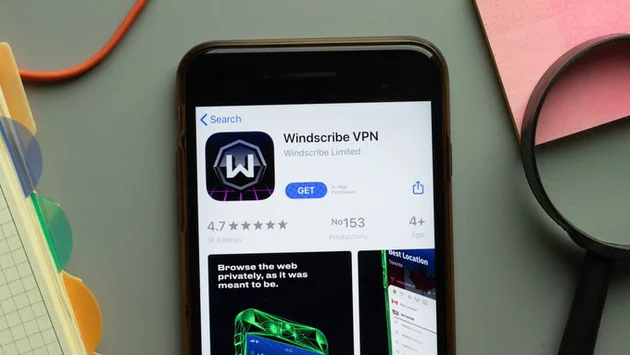
Yes—starting this week, Windscribe users can create fully anonymous accounts without providing an email, username, or password. Instead, the service generates a unique 32-character hash that acts as your login credential. This update caters to privacy-focused users who want their VPN use as untraceable as their browsing activity. While traditional login options remain, this new method eliminates one more potential data leak in an era of rising digital surveillance.
In 2025, digital privacy isn’t just a preference—it’s a necessity. With data brokers, ad trackers, and even some “privacy-first” services quietly logging user info, truly anonymous tools are rare. Windscribe’s hashed account system changes that. By removing the need to tie your identity to your VPN, the company ensures your online activity stays disconnected from your real-world identity. This is especially valuable for journalists, activists, whistleblowers, or anyone simply tired of handing over personal data for basic services.
During signup, users now see an option labeled “Hashed.” Selecting it skips all traditional fields and instantly generates a random 32-character string—your only key to the account. That hash is your username and password combined. Windscribe stores no recovery info, so if you lose it, the account is gone forever. The upside? Even Windscribe can’t link your activity to you. It’s a trade-off: maximum anonymity for zero convenience in recovery. The company strongly recommends saving your hash in a password manager or encrypted note.
Few VPN providers offer true anonymous signup. Besides Windscribe, only Mullvad VPN, NymVPN, and Obscura VPN currently support similar no-ID account creation. Most leading services—even those marketed as “secure”—still require an email, creating a paper trail. Windscribe’s move signals growing demand for services that prioritize user sovereignty over user convenience. As data regulations tighten globally, such features may soon shift from niche to standard.
This feature is ideal for users who already understand digital hygiene—those using encrypted messaging, private browsers, and threat modeling their online behavior. It’s not for casual users who might misplace their hash or expect customer support to reset access. But for privacy purists, it’s a game-changer. As Windscribe puts it: “Same encryption. Same servers. Same VPN. Just a different way to prove you are you.”
There’s one big caveat: total responsibility falls on you. Lose your hash, and your account—including any paid plan or custom settings—is unrecoverable. Additionally, if someone else obtains your hash, they gain full access. Windscribe acknowledges this risk but frames it as a necessary compromise for true anonymity. Think of it less like a password and more like a cryptographic key: powerful, personal, and permanent.
Creating an anonymous account takes seconds. Visit the Windscribe signup page, click “Hashed,” and copy the generated code before closing the window. Install the app, paste the hash when prompted, and you’re in—no email confirmation, no SMS, no personal data. Paid plans can even be added later via cryptocurrency for end-to-end anonymity. For those serious about digital privacy in 2025, it’s one of the cleanest on-ramps available today.
Windscribe’s anonymous accounts reflect a broader shift: users are no longer satisfied with “privacy” that still leaves breadcrumbs. By embracing cryptographic identity over personal identifiers, Windscribe joins a vanguard of services building infrastructure that respects user autonomy. In a digital landscape full of surveillance and tracking, this small but significant update offers a rare win for everyday privacy defenders.
Anonymous Windscribe Accounts: Privacy Just G... 0 0 0 3 2
2 photos

𝗦𝗲𝗺𝗮𝘀𝗼𝗰𝗶𝗮𝗹 𝗶𝘀 𝘄𝗵𝗲𝗿𝗲 𝗽𝗲𝗼𝗽𝗹𝗲 𝗰𝗼𝗻𝗻𝗲𝗰𝘁, 𝗴𝗿𝗼𝘄, 𝗮𝗻𝗱 𝗳𝗶𝗻𝗱 𝗼𝗽𝗽𝗼𝗿𝘁𝘂𝗻𝗶𝘁𝗶𝗲𝘀.
From jobs and gigs to communities, events, and real conversations — we bring people and ideas together in one simple, meaningful space.




Comments