Alerts

-
3 minutes, 21 seconds
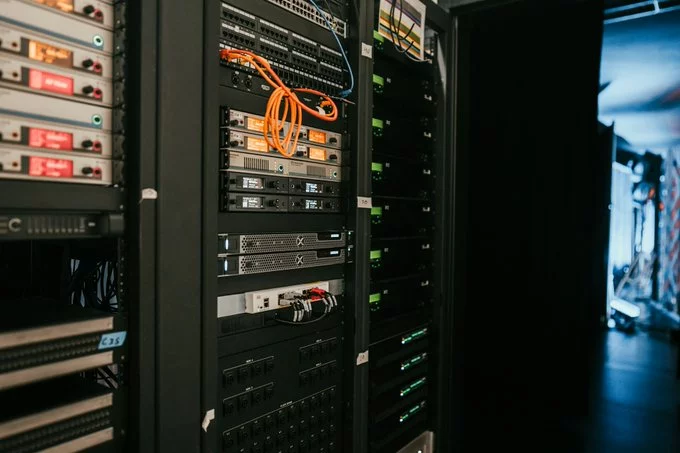
Amaco has proposed a massive artificial intelligence data centre in Mombasa, Kenya, with an investment of Sh194 billion. This ambitious project aims to significantly boost Kenya’s AI ambitions by providing the critical infrastructure needed to support advanced computing and data processing. The facility is designed to position the coastal city as a regional hub for AI innovation, leveraging Kenya’s growing tech ecosystem and strategic location along major undersea cable routes.
The scale of the investment underscores the transformative potential Amaco sees in Kenya’s digital future. By establishing this data centre, the company intends to offer local enterprises, startups, and government agencies access to high-performance computing resources, which are essential for developing and deploying AI models. This move could accelerate the adoption of AI across sectors such as agriculture, healthcare, and finance, aligning with national development goals. However, the project’s success will depend on reliable power supply and robust connectivity, which raises important logistical questions.
Rather than depending on Kenya’s national grid, the data centre will be powered by an offshore LNG model. This approach ensures a dedicated power supply, providing a level of energy security that is critical for round-the-clock AI operations. By situating the power source offshore, the project sidesteps the variability and potential disruptions of the mainland grid, which is often subject to outages.
This dedicated setup is designed to deliver consistent, reliable electricity directly to the facility. The choice of LNG as the fuel source is a strategic one, balancing efficiency with a lower carbon footprint compared to traditional diesel generation. For an energy-intensive AI data centre, this model guarantees that computing workloads are never interrupted by external power fluctuations.
The implications are significant:
The project positions Kenya as a regional AI hub, attracting investment and fostering technological growth. This aligns with the government’s broader digital economy agenda, potentially drawing further foreign direct investment into the country’s tech sector. The sheer scale of the investment signals confidence in Kenya’s infrastructure and workforce, which could catalyze ancillary industries such as software development and AI research.
However, the initiative also raises questions about long-term value and sustainability. The reliance on offshore LNG power, while a pragmatic short-term solution, introduces ongoing fuel import costs and price volatility. Critics may ask whether the energy strategy locks Kenya into a fossil-fuel dependency that undermines its green energy commitments. Furthermore, the economic benefit hinges on attracting global AI clients to the facility; without a clear pipeline of tenants, the project risks becoming a white elephant. The true test will be whether this investment translates into durable local capacity building or remains an isolated enclave of foreign technology.
Despite the promise of rapid deployment, Amaco’s reliance on LNG raises significant concerns. The cost of offshore LNG power is typically higher than grid electricity, and the price is tied to volatile global gas markets. This could inflate operational expenses for the data centre, a cost that may be passed on to consumers or undermine the project’s long-term economic benefits.
Environmental impacts are another critical issue. While LNG burns cleaner than coal, it is still a fossil fuel, and its extraction and transport carry methane leakage risks. This runs counter to global pressure on tech firms to power AI with renewable energy.
Key questions remain:
These factors require careful scrutiny before the project’s full benefits can be realised.










Comment