
Alerts
-
2 minutes, 14 seconds
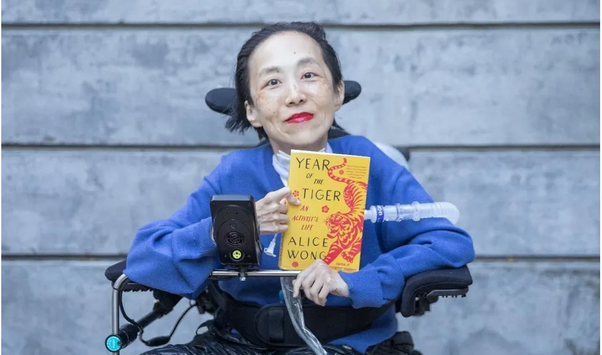
Many readers search for a clear explanation of the Alice Wong legacy and why her work remains transformative. Wong, a trailblazing disability-rights activist, reshaped public understanding of disability through storytelling, advocacy, and digital organizing. Her work emphasized visibility, equity, and care—offering a blueprint for how marginalized communities can reclaim their narratives and influence policy, culture, and public imagination.
A core part of the Alice Wong legacy is the Disability Visibility Project, a community that captured firsthand stories from Disabled people nationwide. Through podcasts, essays, and anthologies, Wong challenged stereotypes and ensured Disabled voices shaped their own representation. Her books—Disability Visibility and Disability Intimacy—became cultural touchstones, offering honest, intersectional accounts of Disabled life across love, identity, policy, and pride.
The Alice Wong legacy extends far beyond media representation. Wong pioneered digital activism that led to real-world policy conversations, co-founding campaigns like #CripTheVote and Access Is Love. Her leadership—from advising the White House to advocating for pandemic protections—highlighted how storytelling and social media can fuel civic participation and shift national narratives around accessibility, justice, and care.
Continuing the Alice Wong legacy means embracing her belief that accessibility is love, activism, and community-building. Individuals and institutions can honor her work by amplifying Disabled voices, championing inclusive policy, and supporting accessible design in everyday life. Wong’s message endures: when Disabled people tell their own stories, the world becomes more connected, compassionate, and just.










Comment