Alerts

-
4 minutes, 9 seconds
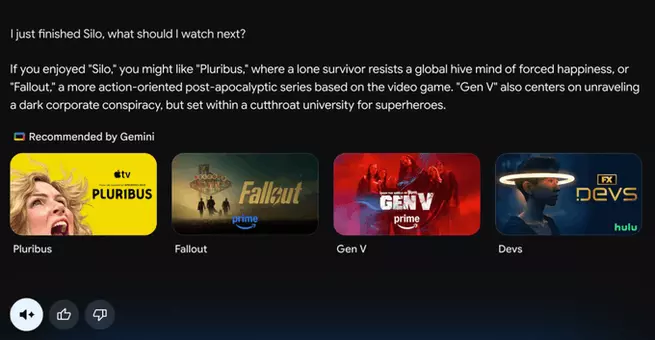
CES 2026 showcased a bold leap in television technology, but some innovations might be crossing the line. From AI-driven workouts to cameras for video chats, manufacturers are pushing features that go far beyond traditional TV viewing. As consumers increasingly scroll through TikTok and YouTube on their phones, TV makers are desperate to make their sets indispensable. But with every new gimmick, questions arise: are these features enhancing the experience or just creating noise?
Modern TVs are no longer just screens—they aim to be central hubs for the home. Some sets now function as gaming consoles, smart home controllers, and even virtual art galleries. Samsung experimented with telehealth applications for pets, while other brands offer AI coaching for workouts. While these features sound futuristic, they often feel intrusive, drawing attention away from the content viewers actually want. Manufacturers hope these bells and whistles will lure users back to their sofas.
The TV market has faced stagnation in recent years. Supply chain issues, tariffs, and economic uncertainty have dampened demand for large-screen TVs. According to recent reports, global TV shipments fell 0.6 percent in Q3 year-over-year. With sales flat, companies are betting heavily on new features, hoping that AI-driven experiences will spark consumer interest. The gamble? Many innovations feel more like experiments than essential improvements.
On the CES floor, the scene is a mix of dazzling displays and awkward tech pitches. Executives talk enthusiastically about AI platforms powering their TVs, while journalists and attendees navigate a maze of glowing screens. The focus is shifting from picture quality and quantum dots to software ecosystems and interactive features. Every booth promises something unique, but whether these innovations resonate with the average viewer remains uncertain.
Some AI features raise eyebrows more than excitement. Cameras for workouts, pet telehealth, or even TVs that suggest recipes—these ideas seem better suited for concept videos than living rooms. Users want simplicity, yet TV makers appear caught in a race to outdo each other with flashy gimmicks. This raises the question: are TVs evolving into valuable tools, or are they losing focus on entertainment?
Despite mixed reactions, AI is here to stay in consumer TVs. Brands are exploring ways to make content discovery smarter, gaming more immersive, and home integration seamless. The challenge will be balancing innovation with usability, ensuring that new features enhance rather than distract. How these AI-driven TVs perform in the real world could define the next era of television.
CES 2026 proved that TV makers are unafraid to experiment with AI, but pushing too many features may backfire. As screens get smarter, consumers must decide whether these innovations add value or simply complicate viewing. The next few years will show which ideas stick—and which end up as forgotten experiments on the showroom floor.










Comment