
Alerts
-
4 minutes, 47 seconds
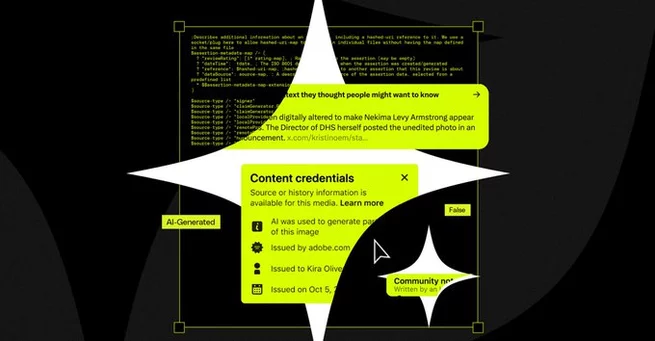
As AI-generated content explodes across social media, distinguishing real from fake has become nearly impossible. Photos and videos are now manipulated with such sophistication that even trained eyes struggle to tell the difference. Systems meant to label AI content are struggling, leaving users confused and disinformation unchecked.
Despite promises of transparency, current labeling initiatives fail to address the scale and complexity of today’s deepfake landscape. From social platforms to government releases, ultra-realistic fakes spread faster than verification tools can track them. The reality crisis is here, and it’s growing by the day.
Generative AI tools have transformed creative expression, but they’ve also opened the door for mass manipulation. Images and videos that once required significant skill to fabricate can now be generated in seconds. This flood of content has made it nearly impossible for traditional verification methods to keep pace.
Even official sources have fallen victim. AI-manipulated media now appears in political contexts, creating confusion and undermining trust. While these tools empower artists and creators, they also empower those intent on spreading false narratives. The problem isn’t just creation—it’s accountability.
Several initiatives have attempted to tag AI-generated content, with the Coalition for Content Provenance and Authenticity (C2PA) often cited as the most promising. These systems aim to embed metadata into media, signaling authenticity. In theory, they could give viewers a quick way to verify what they’re seeing.
In practice, however, adoption remains low, standards are inconsistent, and malicious actors bypass the labels entirely. Metadata can be stripped or falsified, making the system unreliable. Users often can’t access verification tools, and social platforms struggle to enforce compliance at scale. The result is a labeling effort that looks good on paper but fails in reality.
Deepfakes succeed because they exploit the gaps between technology, policy, and user awareness. Messy metadata standards create loopholes, while social platforms prioritize speed and engagement over verification. The content spreads faster than it can be labeled, and people often accept visuals at face value.
This chaos has real-world consequences. Public trust in media erodes, false narratives gain traction, and even policy discussions are affected. Attempts to build trust through labeling are being outpaced by the sheer volume and sophistication of AI-generated content.
Stopping the deepfake tide requires more than labels. Experts suggest a multi-layered approach: stricter platform enforcement, robust digital literacy programs, and universally adopted content provenance standards. AI tools must be paired with human oversight and regulatory frameworks that hold creators and distributors accountable.
Until these measures are in place, the responsibility falls on viewers to question what they see online. Critical thinking and verification tools, even simple ones, can make a difference in slowing the spread of manipulated media.
As 2026 unfolds, deepfakes and manipulated content continue to challenge our understanding of reality. Current AI labeling systems are failing, leaving society to grapple with a world where seeing is no longer believing. Solving this crisis won’t happen overnight, but awareness, innovation, and accountability are critical first steps.
The deepfake war may feel unwinnable, but adopting smarter strategies now can prevent reality from completely unraveling online.










Comment