Alerts

-
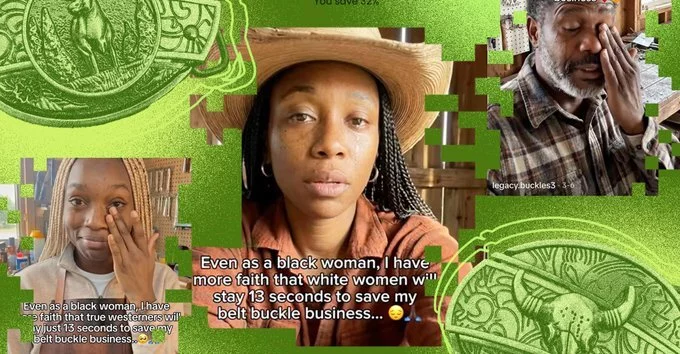
Scammers are using artificial intelligence to create fake Black influencers who cry on TikTok, pleading for support to sell overpriced, mass-produced items. These AI-generated personas, like "Aliyah" and "Amaya," claim to be handmade small business owners struggling to survive. In reality, they are digital puppets designed to dropship cheap products from fast-fashion sites like Shein at inflated prices.
The Verge uncovered dozens of these accounts on TikTok, Instagram, and Facebook. The videos feature identical scripts, robotic voices, and unrealistic visuals—such as sewing on a belt where no stitching belongs. Despite these red flags, millions of viewers are falling for the emotional manipulation.
The scam follows a predictable pattern: an AI-generated avatar appears crying or distressed, claiming their small business is failing. Text overlays urge viewers to watch for 13 seconds to help. The videos link to Shopify stores selling generic belt buckles, mugs, and bags for up to $40—items that sell for under $10 on Shein.
Jeremy Carrasco, director of Riddance.ai, calls this trend "empathy bait." His research team identifies up to 100 new AI-generated retail scam accounts daily. Most target marginalized identities—Black women, Native Americans, and Hispanic creators—because their stories generate the highest engagement.
"These scammers exploit niche communities by faking a personality that triggers sympathy," Carrasco told The Verge. "Platforms don't enforce detection, and users scroll mindlessly." One account, Aliyahsbuckles, has 40,000 followers and a video with 6.5 million views. Thousands of comments express a desire to help, even when users suspect the content is fake.
India Cater-Campbell, a Black business owner in Seattle, commented on Aliyah's video out of solidarity. "I wanted to support an independent Black businesswoman," she said. She never purchased because the store link was missing—but others aren't so lucky. Gizelle Bryant from The Real Housewives of Potomac admitted to buying crocheted bags from a fake AI-generated Black boy who claimed he was bullied for his hobby. "How did I get tricked? Viola Davis was there too," Bryant said on her podcast.
Communications researcher Cienna Davis at the University of Pennsylvania identifies this trend as digital blackface. "Non-Black individuals use digital tools to mimic Black cultural expression for economic gain," she explains. These avatars perform a caricature of Black struggle—crying, pleading, and using coded names like Aliyah or Amaya—but lack authentic cultural markers.
Tempest M. Henning, assistant professor of philosophy at Fisk University, confirms the connection to blackface minstrelsy. "Blackface is any caricature-like portrayal of Black people, whether by Black or non-Black performers," she says. The AI avatars strip Blackness down to a stereotype: suffering, resilience, and a plea for white saviorism. This falseness is reinforced by the replication of content across accounts, proving the avatars are mass-produced tools, not real creators.
Before buying from a small business on social media, verify the creator's authenticity. Look for real human inconsistencies, check for a physical store or website, and search for the product on reverse image tools. If the deal feels too emotional, it's likely a scam.
Report suspicious accounts to the platform and warn others in the comments. As AI video generation improves, these scams will only become harder to detect. Stay skeptical, and don't let empathy override your judgment.

2.8K articles

1.6K articles

34 articles

28 articles













Comment