
Alerts
-
5 minutes, 37 seconds
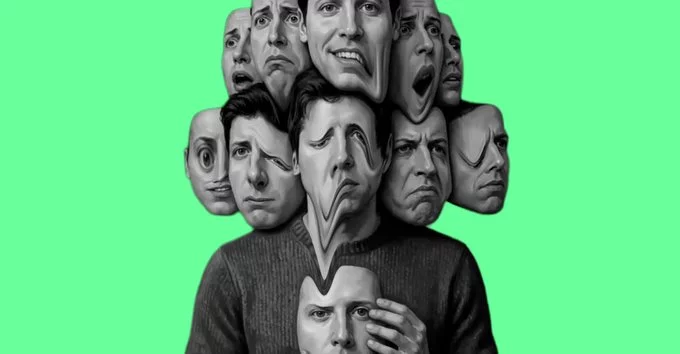
AI art controversy is once again dominating conversations across journalism and tech circles, especially after a high-profile profile of Sam Altman featured artwork that divided readers. Many are now asking a simple but important question: does an article about artificial intelligence actually need AI-generated visuals? The answer, increasingly, is no.
Writers and editors are rethinking how visuals influence credibility, tone, and reader trust. While AI tools promise speed and creativity, their use in editorial storytelling is proving more complicated. The discussion goes beyond aesthetics and into deeper concerns about authenticity and editorial responsibility.
AI-generated art often feels polished and attention-grabbing, but it can also create a disconnect between the content and its presentation. Readers expect journalism to reflect reality, even when discussing futuristic topics like artificial intelligence. When visuals feel synthetic or exaggerated, they can weaken the perceived reliability of the article itself.
Trust is one of the most valuable currencies in digital publishing. Once readers begin to question whether an image accurately represents a subject, they may also question the facts in the story. This is particularly risky in tech journalism, where clarity and accuracy are already under scrutiny.
Even subtle inconsistencies—like distorted features or surreal compositions—can signal that something is off. That moment of doubt is enough to reduce engagement and credibility.
Another key issue in the AI art controversy is emotional resonance. Human-created visuals often carry nuance, intention, and context that AI-generated images struggle to replicate. Readers may not consciously analyze this difference, but they feel it.
Images play a powerful role in storytelling by helping readers connect with the subject. When those images feel artificial, they can create distance instead of connection. This is especially noticeable in profiles or human-centered stories, where authenticity matters most.
In the case of Sam Altman’s profile, the artwork became a distraction rather than an enhancement. Instead of supporting the narrative, it shifted focus and sparked debate about editorial choices.
That doesn’t mean AI-generated visuals have no place in modern publishing. They can be useful for abstract concepts, data visualization, or experimental storytelling formats. However, context is everything.
For articles centered on real people, real events, or investigative reporting, traditional photography or commissioned illustrations often work better. These formats provide a sense of grounding that AI art currently lacks.
Editors must weigh the purpose of each visual element. Is it adding clarity, or simply adding flair? If it doesn’t enhance understanding, it may not belong in the piece at all.
The rise of AI tools has made content creation faster and more accessible, but it has also introduced new ethical considerations. Media organizations are now responsible for deciding how and when to use AI in ways that align with their values.
Transparency is becoming increasingly important. Readers want to know whether an image is real, edited, or AI-generated. Clear labeling and thoughtful use of visuals can help maintain trust without limiting creativity.
At the same time, editorial teams must avoid using AI simply because it’s trendy. Every decision should be guided by the goal of serving the reader, not just showcasing technology.
At its core, this AI art controversy highlights a timeless truth: strong writing is what drives meaningful engagement. Visuals can enhance a story, but they cannot replace clear, insightful reporting.
Readers come to articles for information, perspective, and understanding. When the writing delivers value, the need for flashy visuals becomes secondary. In some cases, removing unnecessary elements can even strengthen the overall impact of a piece.
As AI continues to evolve, the challenge for writers and editors is not just adopting new tools, but knowing when to step back. Sometimes, the best choice is the simplest one—letting the story speak for itself.









Comment