Alerts

-
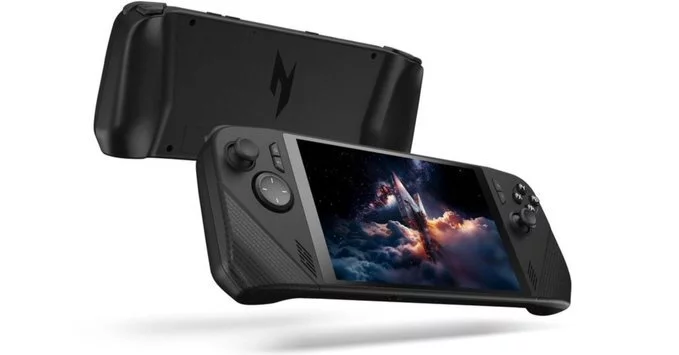
The Acer Nitro Blaze Link is a new Linux-based handheld designed exclusively for streaming PC games. Announced ahead of Computex 2026, this device is not a local gaming powerhouse like the Steam Deck but rather a companion device for remote play. With a 7-inch (1920 x 1200) display, Wi-Fi 6 support, 1GB of LPDDR4 RAM, and 8GB of eMMC storage, the Nitro Blaze Link prioritizes connectivity over local processing power.
The Nitro Blaze Link features modest specs by design. It includes only 1GB of RAM, which is insufficient for running even light local games like Stardew Valley. Instead, the device relies on a stable internet connection to stream games from a PC. Key specs include:
The Logitech G Cloud, a similar streaming handheld launched a few years ago, offered 4GB of RAM and 64GB of storage on Android but struggled at a $350 price point due to its dependency on internet quality. The Nitro Blaze Link aims to differentiate itself with lower specs that could translate to a more affordable price, though Acer has not yet announced pricing.
As dedicated gaming handhelds like the Steam Deck and ASUS ROG Ally become more expensive, the Acer Nitro Blaze Link presents a cost-effective alternative for gamers who already own a powerful PC. By offloading processing to a local machine, the device reduces hardware costs while still delivering high-quality gaming on the go.
The device is entirely dependent on a stable internet connection. Without it, the Nitro Blaze Link offers no local gaming capability. Additionally, the 1GB RAM and 8GB storage limit multitasking and app storage.
The Acer Nitro Blaze Link is scheduled for launch in Q4 2026. Pricing has not been announced, but analysts speculate it will be significantly lower than current gaming handhelds, making it an attractive entry point for cloud and PC streaming enthusiasts.
For the latest updates, follow Acer’s announcements at Computex and beyond. The Nitro Blaze Link represents a niche but growing segment of streaming-first devices, offering a dedicated solution for remote PC gaming.

2.8K articles

1.6K articles

34 articles

28 articles












Comment