Alerts

-
3 minutes, 0 seconds
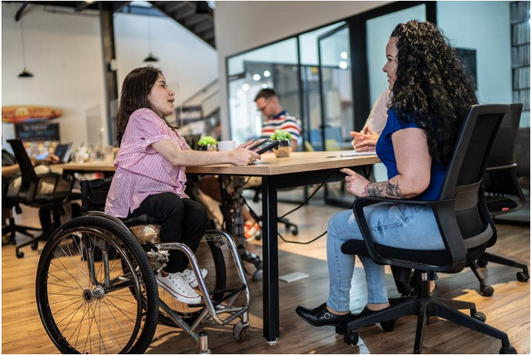
Disability inclusion at work is not just a compliance requirement—it’s a business and cultural advantage. In the U.S., one in four adults lives with a disability, yet only 22% are employed, compared with nearly 65% of non-disabled people. Globally, over 1.3 billion people identify as disabled, representing more than $8 trillion in disposable income. When companies overlook accessibility, they miss out on top talent and a massive consumer base. On the other hand, research shows that organizations leading in disability inclusion report higher revenue, stronger retention, and better innovation.
Despite progress, many workplaces unintentionally exclude disabled professionals. Job descriptions often contain unnecessary requirements, application portals may not be accessible, and interview processes can create hidden obstacles. Beyond hiring, onboarding systems, training materials, and workplace environments may fail to support employees with disabilities. Too often, organizations only act after someone discloses a need, instead of embedding accessibility into every step of the employee journey. These barriers not only limit opportunity but also weaken organizational growth and culture.
Real progress requires moving from statements to action. Employers can start with five key steps:
Rethink job descriptions – Use skills-based criteria, inclusive language, and a clear statement of support for accommodations.
Audit hiring processes – Ensure online applications and interviews are accessible, and proactively offer accommodations.
Make access the default – Normalize accommodations instead of waiting for disclosure.
Embed inclusion in onboarding – Provide accessible systems, guides, and flexible timelines from day one.
Commit to ongoing learning – Train managers, seek feedback, and involve disabled professionals in shaping policies.
Companies that embrace disability inclusion at work do more than support fairness—they create long-term advantages. According to Accenture, inclusive organizations achieve 28% higher revenue, double the net income, and 30% higher profit margins compared with peers. More importantly, they build trust, improve employee morale, and strengthen retention. National Disability Employment Awareness Month (NDEAM) is a reminder to take action, but true inclusion requires consistency year-round. By embedding accessibility into hiring, onboarding, and workplace culture, employers unlock potential that benefits everyone.

8.4K articles

1.6K articles

34 articles

28 articles














Comment