
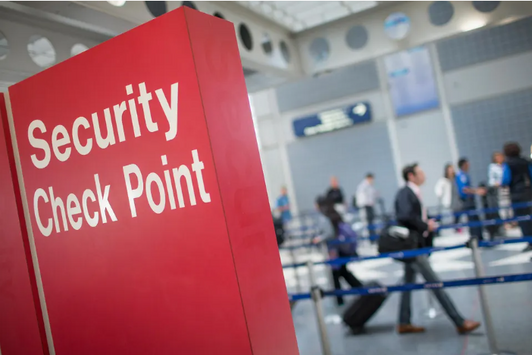
New law for breast milk travel is finally answering the question countless parents have searched for: Can I bring breast milk through airport security without trouble? For years, despite legal protections, many parents still faced dumped milk, invasive screening, and inconsistent rules at checkpoints. A recently passed federal update aims to close those gaps for good. The new measure strengthens enforcement, hygiene standards, and accountability at airport security. For traveling parents, especially working mothers, this shift could be life-changing. The law also promises clearer communication of rights at security checkpoints. After years of frustration, real reform has entered the terminal.
The original 2016 Bottles and Breastfeeding Equipment Screening Act was meant to guarantee smooth passage for breast milk, formula, and pumping gear. On paper, it exempted breast milk from standard liquid limits and called for respectful screening. In reality, parents reported wildly inconsistent experiences across airports. Some were forced to dump ounces of milk they had worked hard to pump. Others watched loosely followed procedures compromise sanitation. For many, every flight became a gamble with their baby’s nutrition. The law existed, but enforcement often failed.
That failure became personal for Emily Calandrelli, host of Netflix’s Emily’s Wonder Lab, during her first work trip away from her newborn. After her gel ice pack partially thawed en route to the airport, she was told it could not pass security. A supervisor questioned why her baby wasn’t physically with her, implying the milk was less valid without the child present. She later described the encounter as humiliating and medically risky due to the threat of mastitis. Her public account struck a nerve nationwide. What began as frustration quickly turned into advocacy.
After her story went viral, parents flooded her inbox with disturbing experiences. Some reported officers dipping test strips directly into breast milk. Others said they had to beg inspectors to change gloves before handling containers. One mother was even asked to taste her own milk as “proof” it was safe. Many were still told to discard milk over the three-ounce limit, despite the standing exemption. These weren’t isolated errors—they were systemic breakdowns. The emotional toll proved as heavy as the physical loss of the milk itself.
The newly passed BABES Enhancement Act moves beyond vague policy and into enforceable standards. It requires the Transportation Security Administration to adopt nationally recognized hygiene screening guidelines developed with maternal health experts. It mandates consistent training across all officers, regardless of airport size or location. Parents’ rights must now be clearly posted and communicated at checkpoints. An independent watchdog will also monitor compliance and investigate violations. For the first time, accountability is built directly into the law.
The legislation was sponsored in the House by Eric Swalwell and passed both chambers unanimously. In a deeply polarized political climate, that alone makes the bill notable. Lawmakers from both parties agreed that infant nutrition and parental dignity should not be compromised by bureaucracy. Supporters described the reform as a basic public health and family rights issue. The rare consensus underscores how widespread the problem had become. It also signals that enforcement failures were impossible to ignore any longer.
Before this new protection, the uncertainty around traveling with breast milk pushed many mothers to stop breastfeeding earlier than planned. Calandrelli herself said the logistical stress eventually forced that decision. Even milk-shipping services proved unreliable, sometimes losing shipments entirely. That reality directly conflicted with guidance from the American Academy of Pediatrics, which recommends breastfeeding for up to two years when possible. The disconnect between medical guidance and real-world support has long been a quiet crisis. This law helps close that gap at one of the most stressful points—air travel.
With clearer rules, hygienic handling, and stronger officer training, security checkpoints should finally become predictable for pumping parents. Instead of confrontation, families can expect consistency. Instead of embarrassment, they can expect respect. Over time, this stability could empower more mothers to continue breastfeeding while pursuing their careers. It also sets a broader precedent for how medical needs are handled at security. For many families, it restores not just milk—but confidence.
Even with federal protections now strengthened, awareness remains essential. Parents are encouraged to review screening rules before they travel and keep a digital copy of the policy accessible. Knowing to clearly state that breast milk and pumping supplies are “medically necessary items” can still help resolve misunderstandings quickly. The law provides protection—but advocacy in the moment still matters. This time, however, families finally have real legal backing on their side.

𝗦𝗲𝗺𝗮𝘀𝗼𝗰𝗶𝗮𝗹 𝗶𝘀 𝘄𝗵𝗲𝗿𝗲 𝗽𝗲𝗼𝗽𝗹𝗲 𝗰𝗼𝗻𝗻𝗲𝗰𝘁, 𝗴𝗿𝗼𝘄, 𝗮𝗻𝗱 𝗳𝗶𝗻𝗱 𝗼𝗽𝗽𝗼𝗿𝘁𝘂𝗻𝗶𝘁𝗶𝗲𝘀.
From jobs and gigs to communities, events, and real conversations — we bring people and ideas together in one simple, meaningful space.


Comments