Alerts

-
5 minutes, 22 seconds
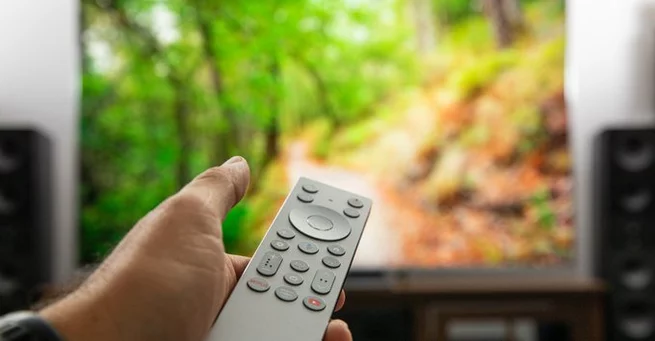
Texas Attorney General Ken Paxton has filed lawsuits against five major TV brands—Sony, Samsung, LG, Hisense, and TCL—alleging they secretly track what users watch. According to the complaints, these smart TVs use Automatic Content Recognition (ACR) to collect data on viewers’ habits without consent. The lawsuits claim this surveillance extends beyond TV shows and movies, potentially recording video from security cameras, streaming devices, and HDMI-connected gadgets.
Paxton warns that this data collection isn’t just for convenience; it fuels targeted advertising and potentially compromises users’ privacy in their own homes. The legal filings accuse manufacturers of hiding or misrepresenting ACR activation prompts, creating a system where users unknowingly surrender personal information.
ACR technology is at the heart of the lawsuits. It can analyze audio and visual content to determine what’s playing, whether it’s streaming platforms, Blu-ray discs, or cable. Paxton’s complaint alleges that some TVs even capture screenshots every half second, creating a detailed record of home activity.
This capability raises serious privacy concerns, especially as the lawsuit claims the data is transmitted back to the companies and sold to advertisers. Users may be unaware that their viewing habits, and potentially sensitive personal information, are being harvested continuously.
The lawsuits argue that TV makers deliberately mislead consumers. Paxton states that the ACR features are “deceptively” presented, with vague disclosures that fail to clarify the extent of monitoring. Samsung and Hisense, for instance, are accused of collecting screenshots so frequently that a user’s private moments could be captured without permission.
Such practices, the lawsuits claim, violate Texas privacy laws and exploit unsuspecting consumers for profit. The Attorney General’s office emphasizes that these actions go far beyond ordinary data collection, creating what it describes as a “mass surveillance system.”
Texas also raises concerns about Hisense and TCL due to their connections to China. The lawsuits suggest these TVs could act as “Chinese-sponsored surveillance devices,” capturing sensitive data on American viewers. While the companies deny wrongdoing, the legal filings highlight the national security implications of foreign-controlled technology monitoring households.
This angle adds pressure to the case, as lawmakers and privacy advocates weigh the risks of data exposure in an increasingly connected world.
The lawsuits have ignited widespread attention and concern among consumers. Many express shock that devices intended for entertainment could monitor them so invasively. Industry groups argue that ACR is a common tool for improving content recommendations and advertising experiences.
However, privacy advocates warn that transparency and consent must be central to any data collection. The Texas lawsuits may set a precedent for how far manufacturers can go in tracking user behavior and monetizing it.
If successful, these lawsuits could force TV makers to redesign software, enhance privacy disclosures, or face penalties for noncompliance. Users may gain stronger rights over what their devices can see and collect, reshaping the smart TV market in the U.S.
For consumers, it’s a reminder to check privacy settings carefully and consider the extent to which connected devices might be monitoring daily life. Simple steps like disabling ACR or disconnecting smart features can reduce potential risks.
Legal experts predict a lengthy court process, with discovery likely revealing the extent of data collection practices. Texas’ aggressive stance could inspire other states to pursue similar actions, signaling a shift toward stricter oversight of consumer electronics.
As the lawsuits unfold, viewers and tech enthusiasts alike are watching closely. The outcome could redefine how smart TVs interact with users, potentially limiting intrusive surveillance and reinforcing digital privacy rights.










Comment