
Trending
Trending Hashtags
Alerts
-
4 minutes, 33 seconds
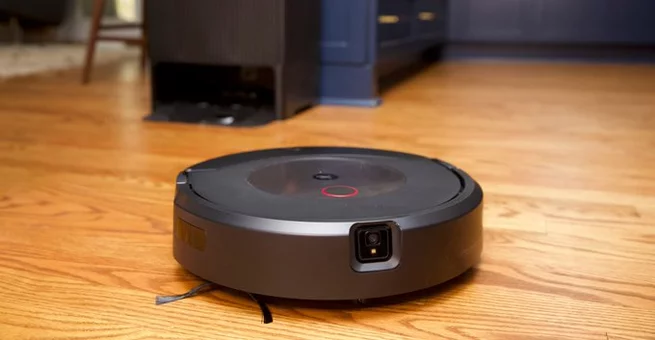
For decades, iRobot’s Roomba robot vacuum has been synonymous with the promise of a smart home. Many early adopters remember their first Roomba purchase as a glimpse into a future where robots handled household chores. But in a shocking turn, iRobot has filed for bankruptcy and will hand over operations to its Chinese manufacturing partner, Picea Robotics. Millions of Roomba owners can continue using their devices for now, yet the company’s collapse raises questions about the future of home robotics.
Launched in the early 2000s, Roomba introduced consumers to the concept of a practical home robot. Its small, disc-shaped design and automated cleaning captured imaginations and quickly became a household staple. While early models required frequent oversight, the excitement of a machine taking over one of life’s least-loved tasks helped Roomba achieve iconic status. The brand became so popular that “Roomba” is often used generically to describe any robot vacuum.
Despite its popularity, iRobot struggled to maintain its lead amid growing competition. Rivals like Ecovacs, Roborock, and others introduced cheaper, smarter alternatives. Attempts to innovate beyond vacuuming, such as expanding into home automation, never fully materialized. Analysts say the company’s reliance on older business models and missed opportunities in smart home integration contributed to its financial decline.
iRobot’s acquisition by Amazon, once seen as a potential growth catalyst, did not pan out as expected. Industry insiders suggest Amazon’s strategic priorities may have distracted from Roomba’s core mission. Former CEO and co-founder Colin Angle called the bankruptcy a “blow for robotics,” highlighting the company’s inability to translate early excitement into sustainable long-term growth.
With iRobot handing control to Picea Robotics, a Chinese manufacturing partner, the smart home landscape faces uncertainty. Picea is expected to continue supporting existing devices, but the path forward for new innovations remains unclear. Experts note that this transition could influence future product development, pricing, and global market strategy.
Despite its financial collapse, Roomba’s legacy is undeniable. It changed how people think about home automation and helped popularize consumer robotics. The robot vacuum industry, now crowded with smart competitors, owes much of its early success to iRobot’s pioneering efforts. Many users continue to rely on their Roombas daily, demonstrating the enduring appeal of automated convenience.
iRobot’s story serves as a cautionary tale for tech companies: being first isn’t enough. Continuous innovation, competitive agility, and strategic foresight are crucial in a fast-evolving market. As AI and robotics continue to advance, companies entering the smart home space must balance vision with execution to avoid a similar fate.
For now, Roomba owners can rest easy knowing their devices will still function. However, the future of new iRobot products is uncertain under Picea’s management. Consumers and industry watchers alike will be watching closely to see whether the Roomba brand can reinvent itself or becomes a nostalgic reminder of a pioneering, yet ultimately fragile, smart home dream.









Comment