
Alerts
-
3 minutes, 59 seconds
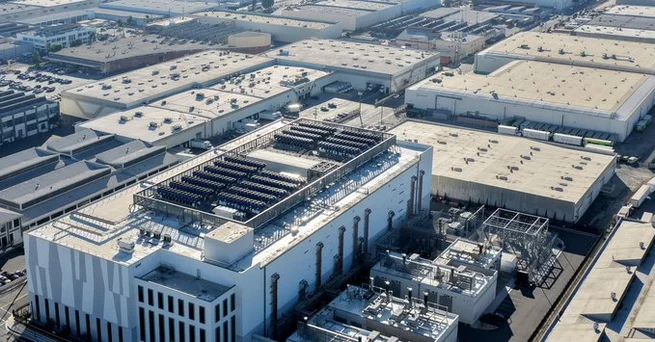
As artificial intelligence demands grow, legacy data centers are hitting physical limits. Racks of GPUs and AI chips are far heavier than traditional servers, and older buildings simply weren’t designed to carry such loads. With AI adoption skyrocketing, companies face a dilemma: retrofit existing facilities or invest in entirely new constructions. This challenge has fueled a global surge in mega data center projects, raising questions about cost, sustainability, and the future of computing infrastructure.
From 2010 to 2024, the number of U.S. data centers quadrupled, reflecting a worldwide trend of rapid expansion. According to Uptime Institute, 377 construction projects for centers exceeding 100 megawatts were announced in the past four years alone. The race to scale AI has prompted Big Tech to pour billions into massive new facilities. These mega data centers promise unprecedented computing power but come with steep financial and environmental costs.
Some experts suggest retrofitting older data centers could be an alternative to new builds. Upgrading cooling systems, installing modern servers, or reinforcing floors could extend a facility’s life. However, most specialists remain skeptical. The structural limitations of legacy buildings often make retrofits impractical. Floors were never engineered to support the weight of dense AI racks, meaning heavy GPU arrays could literally crack the building beneath them.
The core issue is surprisingly simple: weight. AI chips and their racks are significantly heavier than traditional server setups. In legacy data centers, this weight becomes a structural hazard. Unlike older computing equipment, which was lighter and spread out, AI systems demand concentrated power density, placing enormous stress on floors and foundations. Even with minor upgrades, many older centers can’t safely accommodate these new loads.
Given these limitations, building from scratch often proves more feasible than retrofitting. Modern AI data centers are designed with reinforced floors, advanced cooling, and optimized layouts for energy efficiency. Starting fresh allows engineers to integrate sustainability measures and future-proof designs. While the environmental and financial costs are high, new construction avoids the risks of structural failure and downtime associated with retrofits.
The AI data center boom also raises ecological concerns. Massive construction projects consume vast amounts of materials and energy. Environmentalists warn that expanding infrastructure to meet AI demand could worsen carbon emissions if not carefully managed. Some argue that optimizing existing facilities where possible might reduce the environmental footprint, though structural realities often limit this approach.
As AI continues to accelerate, the push for bigger, stronger, and more resilient data centers shows no signs of slowing. While retrofitting offers theoretical savings, practical limitations make new builds the default choice for cutting-edge AI operations. For businesses and policymakers alike, balancing growth, safety, and sustainability will remain a critical challenge in the coming decade.










Comment