Alerts

-
7 minutes, 18 seconds
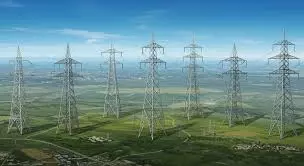
When people start a power project, one thing becomes clear very fast — choosing the right Transmission Tower Supplier is not just a small decision. It decides how strong the entire network will stand after years of wind, rain, heat, and heavy load. A tower is not just steel put together. It carries responsibility. And if the supplier is careless, the problems don’t stay small.
I have seen projects where everything looked perfect on paper, but the supplier failed in basic things. Delays. Weak materials. Poor coordination. It all adds up. So what really matters when selecting a supplier? Not fancy brochures. Not big claims. Real qualities. The kind that show up during pressure.
Let’s break that down.
This is where everything begins. If the raw material is not right, nothing else will save the structure later.
A dependable supplier does not play around with steel grades. They follow standards strictly. Testing is not optional for them. It is routine. You can actually see it in their documentation and process.
There is a small but important detail here. Good suppliers don’t just pass tests. They maintain consistency batch after batch. That’s the difference.
Some suppliers outsource too much. Some depend on third parties for critical processes. That’s where control gets weak.
A reliable manufacturer keeps most of the work in-house. Fabrication, galvanizing, quality checks — all under one system. It reduces error. It keeps timelines tighter.
You walk into their facility, and things don’t look chaotic. There is a flow.
Many companies say “20+ years experience.” But experience should be visible in execution.
Have they handled large-scale transmission projects? Different terrains? Urgent timelines?
Real experience shows when unexpected issues come up and they don’t panic. They adjust. They solve. That’s when you know they’ve done this before.
Transmission towers are not something you guess and build.
Standards exist for a reason. Whether it is IS codes or international specifications, a dependable supplier respects them fully. No shortcuts.
And it’s not just about ticking boxes. Proper compliance ensures safety. A small deviation in design or fabrication can create long-term risks.
Deadlines matter. In infrastructure projects, delays are expensive.
Some suppliers promise fast delivery but fail when pressure increases. A dependable one plans better. They understand logistics, production timelines, and coordination.
You don’t need daily follow-ups with them. They update you before you ask.
That level of discipline is rare, but when you find it, you notice.
There’s nothing more frustrating than unclear updates.
Good suppliers speak clearly. If there’s a delay, they say it early. If there’s an issue, they explain it without hiding behind technical jargon.
This builds trust. Not just comfort.
And honestly, projects run smoother when communication is simple and direct.
Not every project is standard. Terrain changes. Load requirements vary. Designs differ.
A dependable supplier is flexible. They don’t resist customization. They work with your engineering team and adjust designs when needed.
This is where technical strength becomes visible again. Because customization is not easy work.
Making a tower is one part. Delivering it safely and on time is another challenge.
Transporting heavy steel structures across long distances is not simple. It needs planning. Proper packaging. Route understanding.
Suppliers who manage logistics well reduce a lot of headache for project teams. Things arrive when expected. In proper condition.
That matters more than people think.
A company’s attitude toward safety says a lot about how they operate overall.
Do they follow safety protocols in manufacturing? Do they ensure safe handling during dispatch?
Reliable suppliers don’t treat safety as a checklist. It becomes part of their daily working style.
And this habit reflects in the final product as well.
The relationship does not end after delivery.
Sometimes there are queries. Sometimes adjustments. Sometimes documentation is needed later.
A dependable supplier stays available. They don’t disappear once payment is done.
This kind of accountability builds long-term partnerships, not just one-time transactions.
There’s one thing worth mentioning here. According to industry reports, nearly 30% of project delays in power infrastructure are linked to supply chain and vendor-related issues. That’s not a small number. It shows how much impact the right supplier can have.
And honestly, choosing a supplier is not about finding the cheapest option. It’s about finding someone who doesn’t create problems later.
You start noticing patterns after working in this field for some time. The best suppliers don’t talk too much. They focus on process. They stay consistent. And when things go wrong — because sometimes they do — they handle it without shifting blame.
That’s what makes them dependable.
Because in the end, a transmission tower stands silently for years. No one thinks about it daily. But if it fails, everyone notices.


8.4K articles

2.7K articles

1.6K articles

34 articles









Comment