Alerts

-
6 minutes, 1 second
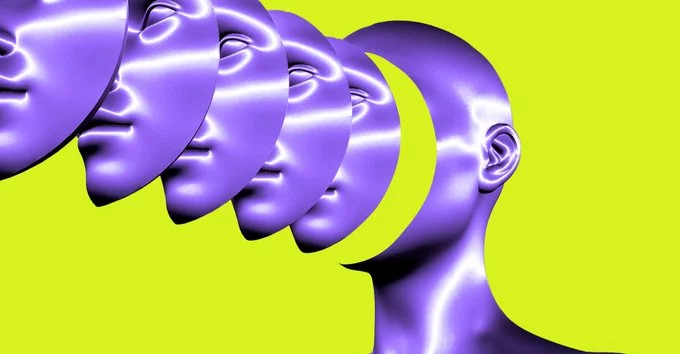
Artificial intelligence deepfakes on video platforms have raised major questions about identity, privacy, and misinformation. Now, YouTube deepfake removal tools are giving celebrities a stronger way to detect AI-generated impersonations and request content takedowns. The platform’s new likeness detection technology scans for synthetic versions of public figures, flags suspicious uploads, and supports removal requests when rights are violated. For creators, fans, and the broader digital economy, this move signals a major shift in how platforms may handle AI-generated identity misuse.
YouTube’s likeness detection system marks a significant development in the battle against harmful AI-generated content. The technology is designed to identify videos that imitate a celebrity’s face, voice, or overall likeness without consent. Once detected, affected individuals can review flagged content and potentially request removal through a structured process.
That matters because AI-generated impersonations have moved far beyond parody. Deepfakes can now convincingly replicate appearances and voices, sometimes blurring the line between entertainment, misinformation, and reputational harm. For celebrities whose identity is tied directly to their careers, the stakes are especially high.
The rollout also reflects mounting pressure on tech platforms to create stronger safeguards as generative AI tools become easier for the public to access. Instead of relying only on user reports, proactive detection could help catch harmful material before it spreads widely.
At the center of the update is YouTube’s automated likeness detection tool, which scans uploaded content for AI-generated lookalikes. When the system identifies potentially unauthorized synthetic representations, it can flag them for review. Celebrities can then evaluate whether a video violates their rights or falls within protected creative use.
This approach attempts to balance protection with freedom of expression. Satire, commentary, and transformative uses often involve public figures, and platforms face growing challenges distinguishing harmful impersonation from legitimate creative content. That makes human review a critical part of the process.
What makes this development notable is the shift from reactive moderation to preventive monitoring. Instead of waiting for damage to be done, the system aims to identify problems early. That could reshape how digital identity protection works across major platforms.
Deepfake technology has evolved rapidly, making synthetic videos more realistic and harder to detect. Public figures have become frequent targets because recognizable faces and voices make viral deception easier. In some cases, fake endorsements, fabricated interviews, and manipulated performances have spread online before being challenged.
Beyond celebrity harm, these incidents raise broader concerns about trust in online video. If audiences cannot easily tell real footage from AI fabrications, misinformation risks multiply. That makes deepfake moderation more than a celebrity rights issue—it becomes a public trust issue.
This is also why YouTube’s move is drawing attention beyond entertainment circles. It touches questions about consent, digital ownership, and how platforms should govern AI-generated media in the years ahead.
The new YouTube deepfake removal framework could influence how creators use AI tools going forward. Content makers experimenting with synthetic media may face stronger scrutiny around consent and disclosure. That may encourage more responsible use of generative tools rather than slowing innovation.
For the broader AI industry, the update sends a message that safeguards are becoming part of the product landscape. Detection, rights management, and authenticity tools may soon be as important as the generative models themselves.
It also suggests digital platforms are preparing for a future where AI-generated identity issues become routine rather than exceptional. That could lead to wider adoption of likeness protection across social media and video ecosystems.
YouTube’s deepfake detection push feels bigger than a platform update. It represents a growing recognition that synthetic media needs stronger guardrails as AI capabilities accelerate. Giving celebrities a direct path to identify and challenge unauthorized deepfakes could become a model others follow.
For viewers, it may also restore some confidence that platforms are taking manipulated content seriously. For creators, it sets clearer expectations around ethical AI use.
Most importantly, it signals something larger: the internet’s next phase may not just be about creating with AI, but protecting people from it too.









Comment