Alerts

-
9 minutes, 51 seconds
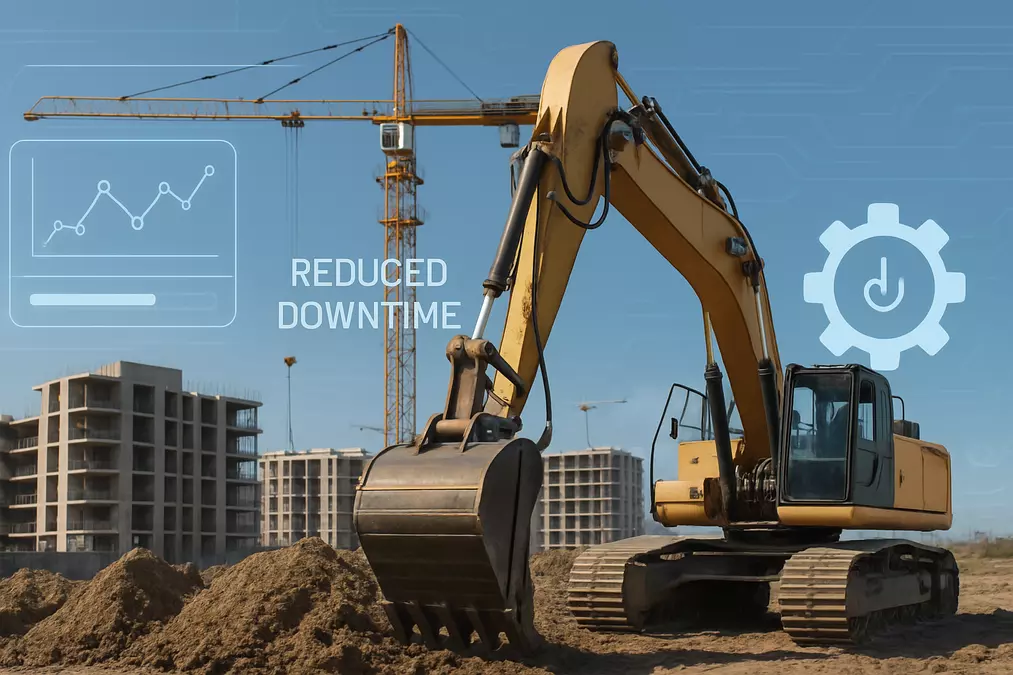
In the fast-paced world of construction, the ability to effectively manage equipment is essential to the success of any project. However, many companies still rely on outdated methods, such as spreadsheets, phone calls, or manual tracking systems, which can lead to chaos, inefficiencies, and missed opportunities. As projects grow in complexity, having the right tools to streamline operations becomes increasingly important.
Construction equipment management software offers a modern solution that not only simplifies asset management but also boosts productivity, reduces downtime, and ensures that all equipment is used efficiently. This blog will explore the reasons why adopting this software is crucial for construction businesses looking to maintain control and stay competitive in today’s fast-moving market.
One of the biggest challenges faced by construction companies is a lack of visibility over their equipment. Without a centralized system to track assets, it's easy to lose sight of where equipment is, whether it’s being used, and if it’s in good working condition. This results in valuable time spent searching for equipment, misallocated resources, and inefficient scheduling.
Relying on paper-based systems or outdated digital tools often leads to confusion about the status of equipment, which directly affects project timelines and overall productivity. This lack of visibility leads to missed deadlines and, ultimately, higher costs.
When equipment is not properly tracked and maintained, downtime becomes inevitable. Equipment breakdowns can significantly delay projects and increase repair costs. Additionally, improper maintenance or missed servicing intervals often lead to more serious issues down the line, costing both time and money.
Without the ability to track maintenance schedules and usage data accurately, it becomes much harder to avoid unplanned downtime or optimize the lifespan of equipment. This is where equipment management software comes into play providing timely reminders for maintenance, service, and inspections.
Another common problem in construction companies is underutilization or overutilization of equipment. With no clear way to track equipment usage, assets can sit idle on job sites while other teams struggle with shortages, leading to inefficiencies in both time and resources. Overworked machinery can lead to increased wear and tear, ultimately shortening its lifespan and increasing repair costs.
Having a comprehensive system to monitor equipment usage and allocation allows businesses to avoid these issues by ensuring that each piece of equipment is used as efficiently as possible.
One of the most significant benefits of equipment management software is real-time tracking. This software allows businesses to track the exact location and status of their equipment, whether it's on the job site, in transit, or at the shop for maintenance. GPS tracking and IoT-enabled devices give managers visibility into where their assets are at all times, reducing the time spent searching for equipment.
This level of visibility helps prevent miscommunications between teams and ensures that assets are readily available when needed. For larger projects with multiple teams or job sites, this level of tracking is invaluable.
With equipment management software, businesses can automate maintenance schedules based on usage hours, time intervals, or machine condition. By setting up automated reminders for regular servicing and inspections, companies can reduce the likelihood of unexpected breakdowns and extend the lifespan of their equipment.
Regular maintenance also ensures that equipment runs at peak performance, reducing the risk of costly repairs or failures that could delay the project.
When companies lack a centralized system to track equipment, allocating assets efficiently becomes a guessing game. Equipment management software solves this by providing a real-time view of which machines are available, in use, or in need of maintenance. Managers can make better decisions about which equipment to allocate to different teams or job sites.
By tracking asset utilization, companies can ensure that no equipment is left idle, and all assets are used efficiently. This helps reduce the need for costly rentals and ensures that projects stay on schedule.
Another significant advantage of using equipment management software is the ability to generate detailed reports on asset usage, maintenance, repair history, and overall equipment costs. These insights help businesses make informed decisions about purchasing new equipment, retiring old machines, or reallocating resources across job sites.
With the ability to track maintenance costs, fuel consumption, and downtime, businesses can gain valuable insights into which machines are performing well and which ones need attention. This data can also help businesses identify trends and make improvements to their fleet management strategies.
By eliminating the inefficiencies of manual tracking and record-keeping, equipment management software helps teams become more productive. With a clear view of equipment availability and status, teams can reduce downtime and ensure that tasks are completed on time.
Furthermore, managers can quickly identify and address issues before they escalate, leading to a smoother workflow and fewer interruptions during the construction process. With everything streamlined and easily accessible, project managers can focus on making decisions that move the project forward.
The cost of unplanned downtime, delayed maintenance, and misallocated assets can quickly add up. By implementing equipment management software, businesses can reduce these costs by ensuring that equipment is used efficiently, properly maintained, and readily available.
With real-time tracking and proactive maintenance, companies can reduce the need for costly emergency repairs and avoid unnecessary rental fees. Additionally, better asset utilization means that businesses can do more with the equipment they already own, reducing the need for additional purchases.
Having accurate and up-to-date information at your fingertips allows for better decision-making across the board. Managers can evaluate the performance of each piece of equipment, analyze cost trends, and identify potential issues before they become problems.
This data-driven approach not only improves day-to-day decision-making but also aids in long-term planning. Companies can make smarter decisions about equipment purchasing, leasing, and fleet management based on real-time data.
With an intuitive dashboard and centralized system, managers can quickly assess the status of each asset, from location to availability. This allows for better resource allocation, as managers can assign the right equipment to the right job at the right time. Proper allocation reduces delays and ensures that projects stay on schedule.
For construction companies looking to stay competitive in an increasingly complex market, construction equipment management software is no longer just a luxury it’s a necessity. By offering real-time tracking, proactive maintenance, optimized allocation, and detailed reporting, this software provides the tools needed to move from chaotic operations to streamlined, efficient systems.
With the ability to monitor assets more effectively, reduce downtime, and make smarter decisions, businesses can improve productivity, save on costs, and ensure that projects are completed on time and within budget. The value of investing in this technology is clear: it’s the key to transforming how construction companies manage their fleets and operate more efficiently in today’s fast-paced environment.


8.3K articles

2.7K articles

1.6K articles

34 articles








Comment